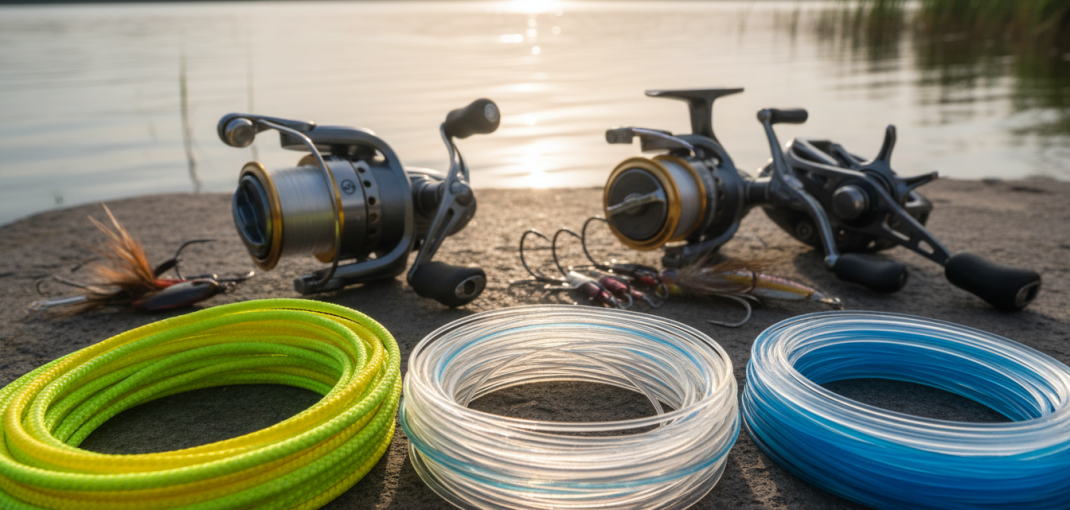
Choosing the right fishing line is the single most important decision you make before heading out on an Aussie estuary or offshore trip. The right pick affects casting distance, tackle performance and whether you land or lose a fish.
Monofilament is a single strand of nylon that gives stretch and forgiveness. Fluoropolymer options offer low visibility and abrasion resistance. A braid uses multiple synthetic fibres for thin diameter and high strength.
Match your choice to the target species, water type and reel setup. Consider strength, abrasion resistance, diameter, visibility and memory. Saltwater work often needs abrasion resistance and minimal stretch. Freshwater anglers chasing Bream may prefer subtle visibility and castability.
If you are new, start with a versatile monofilament fishing line or a light braid paired with a fluorocarbon leader. That combination balances ease of use with performance and helps avoid tangles and lost fish.
Key Takeaways
- Pick based on target species and local conditions in Australia.
- Mono gives stretch; fluoropolymer gives low visibility; braid gives strength and thin diameter.
- Check abrasion resistance and memory for rocky or snaggy areas.
- Mind reel compatibility—some reels suit thin braided lines better.
- Beginners do well with mono or braid plus a fluorocarbon leader.
Understanding the Big Three Fishing Lines
The core materials used in modern spools—nylon, fluoropolymer and multi‑strand synthetics—define performance on the water.
Monofilament is a single strand of nylon. It gives stretch and forgiveness, making it easy to cast and kinder on trebles when you fight a fish.
Fluoropolymer is also a single strand, but the material sits closer to the water in visibility and sinks faster. That makes it handy when you need stealth and sensitivity.
Woven synthetics combine multiple strands into a thin, high‑strength product. This type offers exceptional power and low diameter for long casts and tight hook sets.
- Each option handles stress differently, so pick by target species and water conditions.
- Material affects stretch, abrasion resistance and how the spool feels during a long day.
- Knowing these three types saves you time, money and frustration in the long run.
| Material | Key Trait | Best Use |
|---|---|---|
| Nylon | Stretch & forgiveness | General freshwater |
| Fluoropolymer | Low visibility | Clear water, leaders |
| Woven synthetics | Thin & strong | Long casts, heavy cover |
Comparing Braided vs Fluorocarbon vs Monofilament Fishing Line
Different spool materials change how you feel a bite and how much give you have when a fish runs. Below, you’ll find clear differences in stretch, wear and how visible each choice is underwater.
Stretch and Sensitivity
Mono gives more stretch, acting as a shock absorber when a strike comes. That stretch helps keep hooks set and reduces lost fish during sudden runs.
Braid has near-zero stretch, so you get instant response from lures and better hooksets. Fluorocarbon sits between them for sensitivity but with less give than mono.
Abrasion Resistance
For wear around rocks and structure, monofilament shows the best abrasion resistance. It resists fray and lasts longer against rough surfaces.
Visibility Factors
Fluorocarbon is nearly invisible in clear water, making it ideal when stealth matters. Braid is more visible and often needs a leader for low visibility presentations.
- Choose based on target species and cover.
- Match stretch to your hooks and lures for best results.
| Trait | Mono | Fluorocarbon | Braid |
|---|---|---|---|
| Stretch | High | Low–Medium | None |
| Abrasion | Best | Moderate | Lower |
| Visibility | Moderate | Nearly invisible | High |
The Role of Line Diameter and Strength
Diameter and breaking strength shape how your spool performs on every cast. The diameter is the most accurate way to compare different fishing line options because it controls spool capacity and water drag.
For braided line you’ll see PE ratings. These give a uniform measure of strength that helps you match a reel and rod. A thinner diameter often casts farther and sits less visible in clear water.
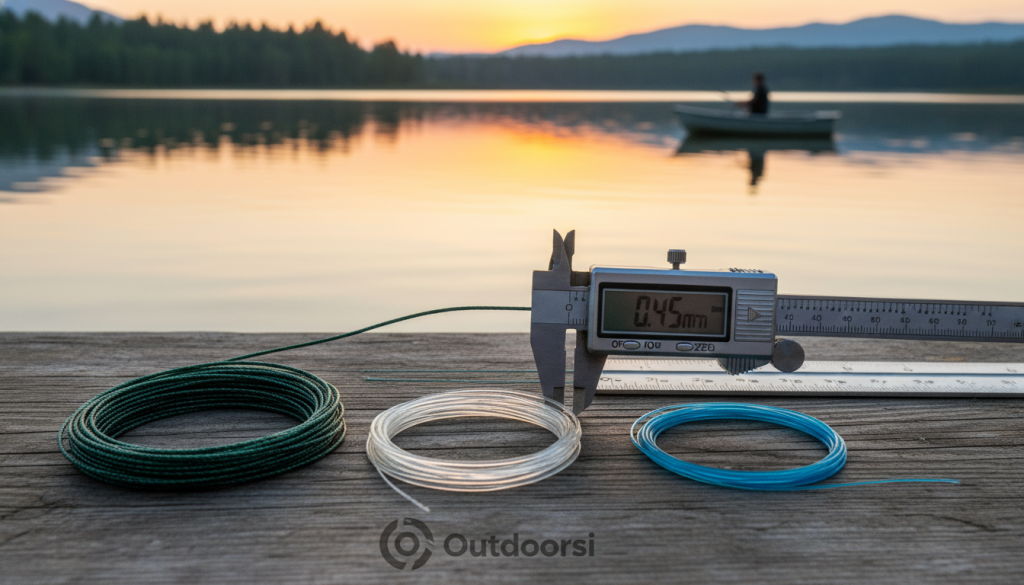
Keep in mind: higher strength usually comes with a thicker diameter. That can cut casting distance and increase visibility.
- Balance diameter and strength when you set up your mainline to match the species you target.
- Use a leader with a different diameter for stealth or abrasion resistance.
- Always check the manufacturer’s diameter specs against your reel capacity.
| Measure | Effect | Best Use |
|---|---|---|
| Thin diameter | Longer casting, lower visibility | Open water, spooky species |
| Higher strength | Better hook sets, less breakage | Big fish, heavy cover |
| PE rating | Standard for braid; easy reel matching | Choose correct spool capacity |
Why Monofilament Remains a Versatile Choice
For everyday sessions, monofilament offers a flexible balance between strength, float and knot‑holding. You’ll find it easy to spool, cast and manage, especially if you’re new to tackle setup.
Best Applications for Mono
Beginner friendly: Mono is affordable and forgiving on most reels, so you learn without constant tangles or frustration.
Topwater and surface baits: Because it floats, mono suits topwater presentations and keeps baits at the surface where the action is.
- Stretch benefits: The natural give of mono helps prevent pulled hooks during sudden runs and protects light hooks and bait.
- Knot and handling: Monofilament fishing is easier to tie securely than stiffer materials, so rigs hold up under pressure.
- Abrasion resistance: Mono resists wear around timber and rocks, making it a reliable choice in rougher cover.
- Many anglers use mono as a leader with a braided mainline to add shock absorption late in the fight.
| Feature | Why it matters | Practical use |
|---|---|---|
| Floatation | Keeps lures on the surface | Topwater lures, surface bait |
| Abrasion resistance | Less chafe around structure | Reef, timber and rock edges |
| Ease of knotting | Secure knots with simple ties | Beginners, light tackle setups |
Tip: Trilene Big Game is a classic mono product many Aussie anglers trust for its consistent feel and durability. Replace mono that shows UV wear and you’ll keep your spool performing well over time.
When to Use Fluorocarbon for Stealth and Sensitivity
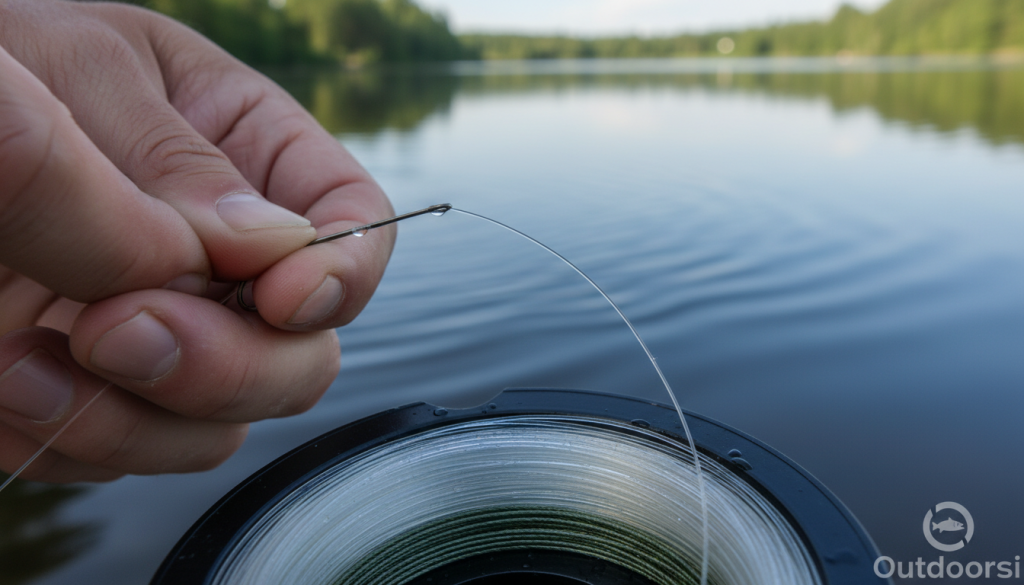
When stealth and feel matter, a clear fluoropolymer option can change how your bait presents and how quickly you detect a nibble.
Clear Water Advantages
Fluorocarbon is nearly invisible because its refractive index matches water closely. That makes your baits look natural to wary fish in clear estuaries and offshore flats.
Using a fluoro leader reduces spooking and improves hookup rates when visibility is high. Many pros in Australia trust Seaguar InvisX for finesse work thanks to its balance of strength and invisibility.
Sinking Characteristics
Density matters: fluoropolymer sinks faster than many other materials, so it gets baits down to the bottom quickly. That makes it ideal for bottom presentations and deep rigs.
- Low stretch gives excellent sensitivity and lets you feel light taps.
- Higher durability and UV resistance mean the material lasts longer between changes.
- Common tactic: pair a braided main with a short fluoro leader for stealth without losing power.
| Trait | Advantage | Best situations |
|---|---|---|
| Visibility | Near invisible | Clear water, wary fish |
| Sinking | Fast | Bottom baits, deep rigs |
| Sensitivity | High (low stretch) | Finesse presentations |
Maximizing Performance with Braided Line
A thin, high‑strength braid can transform how you cast and feel every lure. It gives you a superior strength‑to‑diameter ratio so your spool holds more and your casts fly farther.
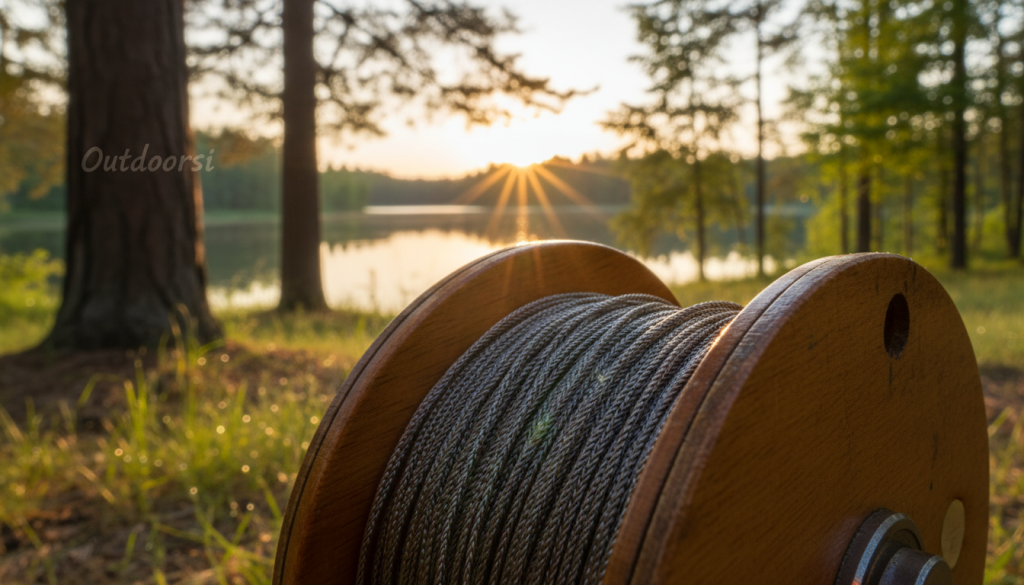
Zero stretch means instant sensitivity. You’ll feel taps and subtle changes in pressure, which helps with earlier hook sets and better control of your bait in current.
Use a short mono leader for shock absorption and to protect your hooks on heavy takes. Sufix 832 is a reliable product many Aussie anglers pick for its durability and saltwater performance.
- Thin diameter improves casting distance and reduces wind drag.
- Great for ripping topwater baits through heavy cover without losing contact.
- Poorer abrasion resistance than mono, so check and replace after contact with rock or timber.
| Trait | Benefit | Tip |
|---|---|---|
| Strength-to-diameter | More spool capacity | Choose lower diameter for long casts |
| Sensitivity | Instant bite feel | Use a shock-absorbing leader |
| Abrasion resistance | Lower than mono | Inspect after contact with structure |
Mastering the Mainline and Leader Connection
A secure join between your mainline and leader is the backbone of any reliable rig. Spend a little time here and you’ll avoid lost fish and torn rigs when the pressure hits.
Start with a short introduction to the knots you’ll use. The double uni knot is the go‑to for joining a braid mainline to a mono or fluorocarbon leader. It is strong and easy to dress neatly.
Recommended Knot Types
- Double uni knot: Tie 8–12 revolutions on each half below the visible line for best strength.
- FG knot: Favoured by many Australian anglers for its slim profile and high pull strength on heavy duties.
- Spooling tip: Use a bit of mono backing on the spool before you add braid to stop slippage on reels.
| Connection | Best use | Notes |
|---|---|---|
| Double uni | Mainline to leader | Reliable, simple; 8–12 turns |
| FG knot | Power setups | Slim profile, high strength |
| Mono backing | Spooling | Prevents braid slip on spool |
Finally, check your leader for nicks or abrasions before each session. A thin, neat join will pass guides cleanly and give you longer casts when you need them.
Selecting Line Based on Target Species and Environment
Picking the right combination of mainline and leader starts with the species you chase and the water you fish. That simple match improves sensitivity, visibility and your chance of a solid hookup.
Use braid for heavy cover. When you need power to punch through mangroves or weed, a thin high‑strength braid gives you casting distance and the muscle to pull fish free.
Choose fluoro for deep baits. A fluorocarbon leader helps deep diving crankbaits reach depth and reduces visibility in clear water.
- For Bream in clear water, pair a braid mainline with a fluoro leader for stealth and sensitivity.
- Flathead in shallow zones: braid mainline plus a mono leader for casting and shock absorption.
- Heavy structure or rock: step up to a heavier leader to improve abrasion resistance and avoid breaks.
- Stained water often allows a heavier braid; its strength helps extract fish from thick vegetation.
- Topwater in open water favours braid for casting and feel; close quarters may suit mono for forgiveness.
| Situation | Recommended mainline | Recommended leader |
|---|---|---|
| Clear estuary for Bream | Braid | Fluorocarbon (short) |
| Shallow Flathead flats | Braid | Monofilament |
| Heavy structure / rocks | Heavier braid | Thicker mono or fluoro for abrasion resistance |
| Stained water / weed | Heavier braid | Short, strong leader |
Match diameter and strength to your hooks, lures and bait. When you adapt your setup to the species and the environment, you’ll land more fish and lose fewer rigs.
Reel Compatibility and Spooling Techniques
A tidy spool and the right reel setup make casting smoother and fights safer.
Start by adding a mono backing on modern reels to stop braid slipping on the spool. Tape the first wrap with a small piece of electrical tape while you finish winding for a secure start.
Wind under steady tension so the fishing line lays flat and firm. This prevents dig‑ins when a big fish runs and keeps casts consistent.
On spinning reels, spooling correctly reduces twist — especially with fluoropolymer or monofilament products. If you use a baitcaster, pack the braid tightly so it does not bite into lower layers during long casting bursts.
- Check drag settings to match your mainline strength and avoid snapped hooks.
- Replace mono or fluoro regularly; line memory builds with time and hurts casting.
- Use short leaders when you need stealth without sacrificing power.
| Task | Why it matters | Simple tip |
|---|---|---|
| Mono backing | Prevents slip | Tape first wrap |
| Tensioned winding | Stops dig‑ins | Pull firm while spooling |
| Drag check | Protects knots and hooks | Match drag to product rating |
Essential Tips for Australian Anglers
When you’re chasing estuary targets around mangroves and reefs, quick gear changes keep you fishing, not fixing.
Carry a selection of spool types and short leaders so you can adapt to changing tides, clarity and cover. For open flats, use mono for topwater baits; it keeps poppers lively and helps with soft trebles and surface action.
In heavy cover, a strong braid gives you the muscle to pull fish clear. If wind builds, the thin braid casts truer and resists knots better than memory-prone options.
- Use a heavy monofilament leader for tough species like Mangrove Jack to resist sharp teeth and rough structure.
- Rinse reels and gear in fresh water after salt sessions to prevent corrosion and prolong life.
- Beginners should try a simple mono straight-through setup to learn casting and rig control.
- Check your main and leader often—if it feels rough or frayed, cut back and re-tie hooks immediately.
| Tip | Best use | Quick note |
|---|---|---|
| Carry variety | All conditions | Swap by water clarity and cover |
| Heavy mono leader | Mangrove Jack, structure | Protects against teeth and abrasion |
| Braid for wind | High-wind days | Less memory, better casts |
Conclusion
Good gear choices reduce frustration and increase hookups on Australian waters. Spend a little time matching mainline, leader and diameter to your target and conditions.
Selecting the right fishing line is a fundamental skill that affects how you cast, how you feel bites and how often you land a fish. Think about sensitivity, visibility and abrasion resistance when you make your choice.
Look after your spool, replace worn sections and carry a couple of spare leaders so you waste less time on the water. With practice and smart decisions you’ll enjoy more successful sessions and catch more fish.