You’re planning your next outdoor adventure and need reliable kit that holds up to sun, wind and wet. After two decades of field testing in national parks, we’ve narrowed a practical list so you can spend less time worrying and more time exploring.
Our testing covered bush and beach conditions, using trusted brands like MSR, Sea to Summit and Kathmandu. We focused on durable choices that suit families and solo travellers alike.
This short guide helps you pick the right items for comfort and safety. You’ll learn what saves you effort, what lasts longest, and what’s worth the extra spend for your next trip.
Key Takeaways
- You’ll save time by choosing proven equipment suited to local conditions.
- Durability matters—pick items tested in a range of parks and coastal areas.
- Prioritise shelter, sleep systems and cooking tools for comfort.
- Investing a bit more often reduces replacements and hassle later.
- This guide gives a concise list to streamline your packing and planning.
Finding the Best Camping Gear Australia Has to Offer
Choosing the right kit starts with a short list and hands-on checking at local stores. Spend an hour reading reviews, then visit a locally owned shop where staff will show you how a product performs in real conditions.
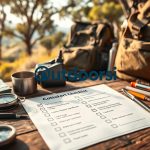
Make a simple checklist of essentials before you leave home. Many experienced campers recommend this to avoid forgetting things that matter, like a reliable shelter or a warm sleep system.
Our team at Aus Geo Adventure has tested products across national parks and coastal tracks. We often recommend OzTrail for value — it suits many Aussie conditions and won’t break the bank.
- Do quick reviews first, then try items in person.
- Talk to local retailers — their advice saves time and mistakes.
- Invest in quality where comfort and safety matter most.
Selecting the Right Shelter for Your Adventure
A reliable shelter can make or break a trip—so choose one that matches your plans and pace.
For solo hikers, weight and quick setup matter most. The Nemo OSMO 2P is a standout: at 1.86kg it trims pack weight and uses recycled poly-nylon fabric for durability and breathability.
Tents for Solo Hikers
Look for a tent that balances size and weight. Check pole strength, seam taping and the number of storage pockets so your kit stays organised.
Family-Sized Fast Frame Options
For family trips, space and speed win. The OZtrail Fast Frame BlockOut 10P weighs 33kg but uses a hub system that makes setup fast for large groups.
- Compare internal space and pockets to keep a lot of items neat.
- Avoid old heavy canvas tents when you need quick pitches and less fuss.
- Pick a shelter based on use: compact for hikes, roomy for parks and family stays.
| Model | Weight | Best use |
|---|---|---|
| Nemo OSMO 2P | 1.86kg | Solo hiking, light packs |
| OZtrail Fast Frame 10P | 33kg | Family groups, fast setup |
Portable Power Solutions for Off-Grid Living
When you set up off-grid, reliable power changes how long you can stay and what you can run.
Portable power stations let you power fridges, charge phones and run small pumps. They give you options when mains power is out of reach. Solar compatibility and good battery management extend your time on site.
Solar Compatibility and Battery Management
The Companion Rover 100 Lithium is a compact camp power station that weighs 11.45kg and measures 410mm L x 325mm W x 370mm H.
- It supplies enough energy for a fridge and small devices while you explore remote parks.
- Onboard multiple outlets and a 5W LED area light keep your space lit and your things charged.
- Solar input means you can recharge during the day, reducing the need to carry extra fuel.
- Good battery management protects water pumps and lighting so systems run throughout your trip.
| Model | Weight | Key feature |
|---|---|---|
| Companion Rover 100 Lithium | 11.45kg | Solar compatible, 5W LED, multiple outlets |
| Typical small inverter station | 8–12kg | Portable size, limited run-time for fridge |
| Medium solar generator | 12–20kg | Longer run-time, extra space for panels |
Essential Camp Kitchen and Cooking Equipment
Good food, a tidy bench and the right stove turn a rough weekend into a memorable trip.
A well‑organised camp kitchen keeps the family fed and lets you prepare fresh meals in national parks with ease.
The OzPig Series 2 Portable Stove is a flexible option. It works as a barbecue, a camp oven and a potbelly heater. You can add a chimney or rotisserie for roast-style cooking. It also boils drinking water reliably when you need hot water fast.
- Pack enough water storage for cooking and cleaning; a simple rule is two litres per person per day extra for prep.
- Test your cooking equipment at home so you know how each part fits and how the stove performs.
- Choose durable, easy‑to‑clean gear to save time and improve your overall use on longer trips.
| Item | Use | Key benefit |
|---|---|---|
| OzPig Series 2 | Barbecue / oven / boil water | Versatile, optional chimney and rotisserie |
| Water storage | Cooking & cleaning | Carry extra for multi‑day stays in parks |
| Cookware set | Meal prep | Durable, easy to clean for family use |
Sleeping Systems for Australian Climates
A solid sleeping system makes the difference between a fresh start and a sleepless night under the stars.
Choosing the Right R-Value
R-value matters for your mattress. Higher R-values trap more heat from the ground and reduce heat loss at night.
For alpine areas, aim for mattresses with an R-value above 5. The Therm-a-Rest NeoAir XTherm NXT has a 7.3 R-value and weighs 439g, so it suits cold, high‑altitude trips.
Sleeping Bags for Summer
Summer bags focus on breathability and light weight. The Gold Kazoo is roomy, uses a mummy cut for efficiency and performs well in warm, coastal parks.
Sleeping Bags for Winter
Winter bags need loft and low weight. The Mont Zero SL is a premium brand bag that weighs only 417g and uses 1000+ loft goose-down for high warmth-to-weight.
- Your sleeping system, including mattress and bag, is the most important gear for a good night in national parks.
- Always check temperature ratings and pick options that match the area and season you plan to visit.
| Item | Feature | Use |
|---|---|---|
| Therm-a-Rest NeoAir XTherm NXT | R-value 7.3; 439g | Alpine, cold nights |
| Mont Zero SL | 1000+ loft down; 417g | Lightweight warmth for three-season treks |
| Gold Kazoo | Comfort mummy design | Warm-season camps with extra foot space |
Durable Storage Solutions for Rough Terrain
Rough tracks and corrugated roads demand storage that keeps your kit intact and dry.
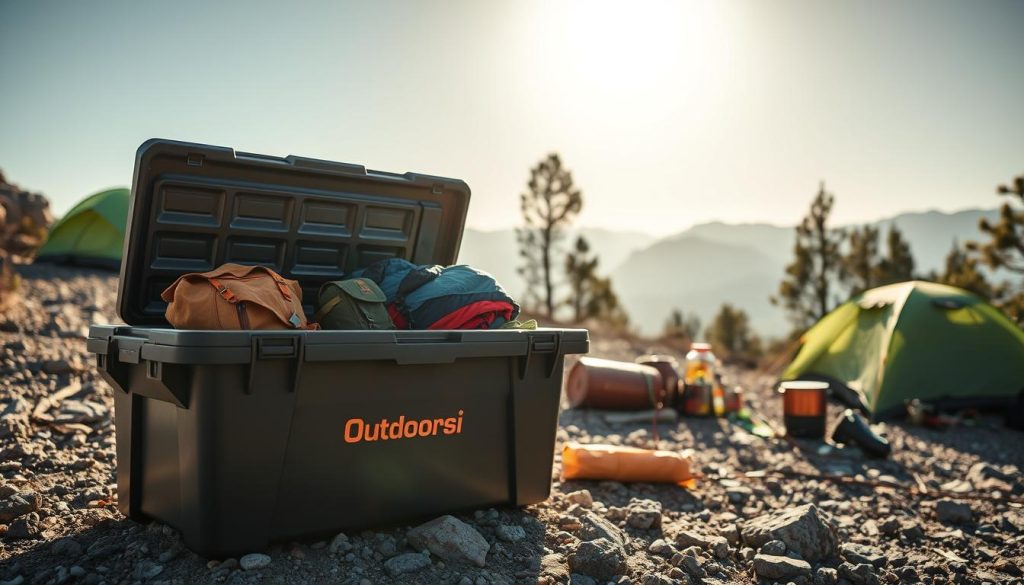
The Expedition 134 Heavy Duty Plastic Storage Box is built for that job. It stands up to 120kg and has a rubber seal to keep dust and water out. You can use it to store a sleeping mattress, your tent and other fragile stuff.
Organising your gear into labelled boxes makes life easier when you arrive after dark. Airtight containers protect sensitive equipment while you drive on corrugated roads.
- Proper storage keeps your camp essentials clean and dry across long distances.
- The Expedition 134 doubles as a step or small seat thanks to its 120kg capacity.
- Use compact camp boxes for food, water and small tools to save space and speed setup.
| Product | Key feature | Best use |
|---|---|---|
| Expedition 134 | 120kg load; rubber seal | Heavy-duty storage for tents & mattress |
| Airtight plastic box | Dust and water proof | Electronics and sensitive kit |
| Stackable compact camp crate | Space-saving, labelled lids | Organising food and small space gear |
Apparel and Outerwear for Variable Weather
Weather in open areas can turn quickly, so your outerwear should adapt without adding bulk. Choosing the right layers keeps you dry and mobile across parks and coastal tracks.
Eco-Friendly Fabric Considerations
Lightweight down and recycled shells cut weight and reduce environmental impact. The Kathmandu Heli R jacket weighs just 300g and uses 100% recycled polyester with Responsible Down Standard fill. It’s ideal when you need warmth without a heavy pack.
The Mountain Designs Stratus shell has a 20,000mm Hydrostatic Head waterproof rating. It repels heavy rain in alpine areas while using recycled materials. That combination is useful in variable conditions.
- Pick an outer shell with a high waterproof rating for sudden storms.
- Layer with a light down or synthetic mid layer to balance warmth and weight.
- Choose reputable brands with clear material sourcing for longevity and repair options.
| Item | Feature | Best use |
|---|---|---|
| Kathmandu Heli R | 300g; recycled polyester; RDS fill | Cold nights, low weight |
| Mountain Designs Stratus | 20,000mm Hydrostatic Head; recycled fabric | Heavy rain, alpine areas |
| Layering approach | Light mid + shell | Variable weather in parks |
Specialized Gear for Hiking and Bikepacking
When you hike long days or roll out on a multi‑day bikepacking route, every extra gram counts.
Choose items that are both light and tough. Modern hiking packs and bike bags compress well and free up space for a tent or extra layers. Top brands like North Face and Sea Summit have made big gains in reducing weight while keeping durability high.
The OM System TG-7 is a bombproof camera for your adventure. It’s waterproof to 15 metres and captures clear 12‑megapixel shots, so you can document wet crossings or sandy beaches without worry.
- Specialised gear must handle long distances through national parks, so pick durability over novelty.
- The Merida Silex gravel bike offers a 69.5° head‑angle and extra tyre clearance for varied trails and bikepacking loads.
- Always carry a compact first aid kit and a basic repair kit for chains, tyres and racks to keep you moving.
| Item | Key feature | Use |
|---|---|---|
| OM System TG-7 | Waterproof 15m; 12MP | Wet conditions, adventure photos |
| Merida Silex | 69.5° head‑angle; wide tyre clearance | Gravel routes, bikepacking |
| Light repair & first aid | Multi‑tool, spare tube, bandages | Field fixes and small injuries |
Lighting and Visibility for Nighttime Safety
A clear, well-lit camp area reduces falls and keeps your family safer when the sun goes down. Proper lighting is essential in national parks, especially when you need to find your tent or move between vehicles and the cooking area.
Choose reliable headlamps and lanterns with adjustable beams so you can walk tracks and set up shelter without fumbling. High-quality LED lights give longer run-times and steadier output than cheap bulbs.
- The MET Crossover helmet features 17 vents, a MIPS‑Evolve system and an integrated rear LED light — a smart brand example of safety gear that adds visibility on rides and at the campsite.
- Carry spare batteries and a small power bank so your light sources never fail during an overnight stay.
- Pick items with reflective trims or built-in LEDs for hiking and riding; visibility prevents accidents and helps others spot you on dark tracks.
| Item | Key feature | Why it matters |
|---|---|---|
| Headlamp (LED) | Hands‑free, dim/boost modes | Safer navigation at night |
| Lantern | 360° area light, long run | Brightens tent area for family tasks |
| MET Crossover helmet | Integrated rear LED, MIPS | Visibility while riding; added safety |
First Aid and Emergency Preparedness
Emergencies happen fast; the right kit and a clear plan keep you safe in remote areas.
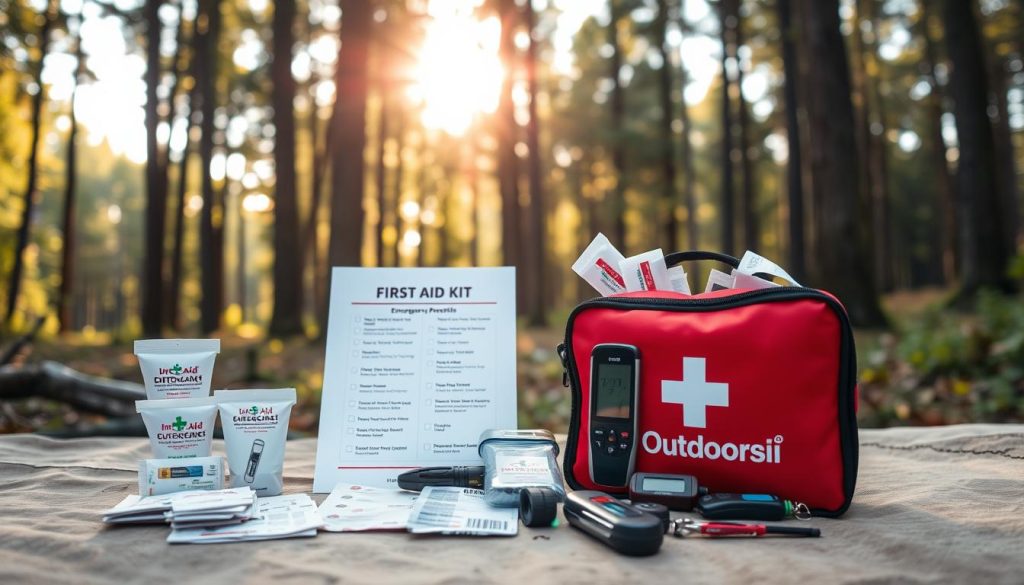
A comprehensive first aid kit is the most important piece of gear you can carry when exploring national parks. Choose a St John Ambulance or similar kit and add blister care, wound dressings and a compact suture kit if you are trained.
Include enough drinking water for an unexpected night. Pack a water purifier or extra bottles and store them separately from fuel and food.
- Keep emergency items in a Sea to Summit eVAC dry sack to ensure a high waterproof rating.
- Check and replace expired medicines and dressings before you leave.
- Carry an emergency blanket and headlamp; plan where you will set up your tent and how you will manage sleeping if you must stay out longer than planned.
| Item | Why it matters | Practical tip |
|---|---|---|
| First aid kit (St John) | Treats cuts, shock, sprains | Personalise to skills and group size |
| Drinking water + purifier | Prevents dehydration | Store spare bottles separately |
| Waterproof dry sack | Protects supplies from wet conditions | Choose high waterproof rating (e.g. 30,000mm) |
| Emergency blanket & light | Warmth and visibility at night | Keep accessible in your daypack |
Transporting Your Gear Safely
A well-packed vehicle starts your trip with less stress and fewer last-minute fixes.
Secure loading protects bikes, tents and other kit while you drive on rough, unsealed roads. Use tie-down points and soft straps to stop movement, and keep heavy items low and centred.
Bike Rack Systems
The Yakima OnRamp e-bike carrier accepts two 30kg bikes and uses a tool-free adjustment system for easy loading. That makes it ideal when you need quick on/off at trailheads or parks.
Heavy Duty Vehicle Storage
Choose heavy-duty storage boxes with seals and latches to keep canvas, tent poles and small space gear dry. Stackable crates or lockable drawers reduce clutter and speed setup when you arrive.
- Transporting your gear safely is crucial for a stress-free family trip into national parks.
- A quality rack and robust storage reduce wear on bikes and protect delicate items.
- Don’t overload your vehicle — leave space for passengers and allow for safe braking and handling.
| Option | Capacity / Feature | Best use |
|---|---|---|
| Yakima OnRamp e-bike carrier | 2 bikes up to 30kg each; tool-free load | E-bikes, quick loading at trailheads |
| Heavy-duty storage box | Sealed, lockable, stackable | Canvas, tent, fragile kit on rough roads |
| Drawer system | Organised compartments; lockable | Family trips; secure storage and quick access |
Tips for Maintaining Your Outdoor Equipment
Small habits after each trip make a big difference to how long your kit lasts and how well it performs. Spend a little time cleaning and checking things when you unpack; it saves time and headaches later.
After every outing, dry your tent and mattress fully before storing them. Shake out sand, brush dirt from seams and leave zips open so fabric breathes.
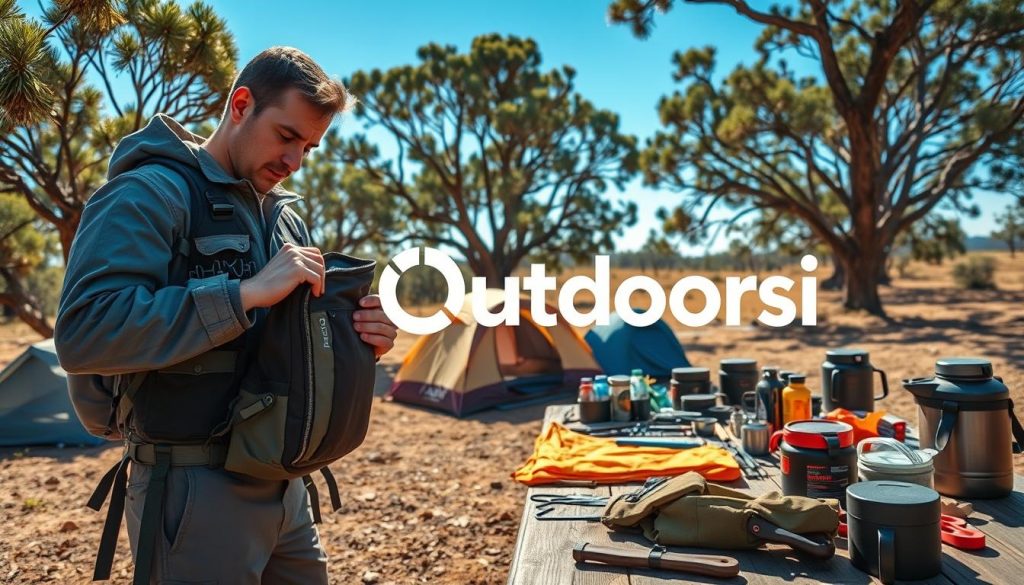
Create a simple maintenance list you follow each season. Include checks for zips, poles, waterproof coatings and any repairs needed. Log small fixes so they don’t pile up.
- Wipe stove parts and remove food residue to avoid corrosion.
- Test batteries and power banks; replace or recharge as needed.
- Store stuff in a cool, dry spot away from direct sun and damp.
Experienced campers keep boxes labelled by use — sleeping, cooking, repair — so family prep is faster. With this routine, your tent, mattress and other equipment stay ready for the next trip.
| Item | Routine | Frequency |
|---|---|---|
| Tent | Clean, dry, check seams & zips | After each trip |
| Sleeping mattress | Air out, patch punctures, store flat if possible | After each trip |
| Stove & cookware | Degrease, inspect fuel lines, pack dry | After use |
| Electronics & batteries | Charge, test outputs, remove batteries for storage | Monthly or pre-trip |
Conclusion
A short checklist focused on reliability helps you leave with confidence and return with memories. Choose items that match your plans and use—this makes packing quicker and the trip safer.
Selecting the right gear is the foundation of a successful outdoor adventure in the Australian wilderness. Prioritise quality, durability and easy repairs so your kit lasts season after season.
We’ve highlighted the best camping options and noted reputable brands that favour intelligent design and sustainability. Test equipment at home, maintain it properly, and carry spares for key items.
Use this guide to make informed choices, then get out and explore with confidence.