Choosing the right fishing line is one of the most crucial decisions you’ll make when setting up your rod and reel for a new trip. Your gear only performs as well as the connection between you and the catch, so pick a line that suits the water, target species and tackle.
Start by weighing strength, diameter and abrasion resistance. Thicker mono can absorb shocks, braid gives extreme sensitivity and old-school braid roots go back centuries, and fluorocarbon sits low in visibility while resisting wear.
Check reel compatibility and memory; some lines spool better on spinning reels, others suit baitcasters. For saltwater estuaries pick corrosion-resistant options, while freshwater impoundments often favour softer, forgiving lines.
If you’re new, opt for a versatile mono or a low-vis fluorocarbon leader with braid mainline. At BCF, we help anglers match types fishing line to local conditions so you spend more time casting and less time untangling.
Key Takeaways
- Match strength and diameter to the species and cover you target.
- Choose braid for sensitivity, mono for shock absorption, fluorocarbon for low visibility.
- Consider reel compatibility and line memory when spooling your reel.
- Pick corrosion-resistant options for saltwater use.
- Beginners benefit from simple mono setups or braid with a fluorocarbon leader.
Understanding What to Look for When Buying Fishing Line
A smart angler matches material, diameter and handling to local conditions before spooling a reel. Knowing basic design features helps Australian anglers make confident choices without complex science.
Since monofilament arrived in 1937 the tech behind modern lines has improved strength, abrasion resistance and visibility. That progress means you can pick a product that suits rivers, estuaries or reef work.
Consider application and price when choosing gear. Different types are engineered for saltwater or freshwater use, and budget matters for pound-test and spool size.
- Learn how each type behaves around structure and in current.
- Match line characteristics to species and tackle for better results.
- Take time to test a spool so you trust your setup on the water.
| Characteristic | Best Use | Cost Range | Notes |
|---|---|---|---|
| Mono | General-purpose, shock absorption | Low–Medium | Stretchy, easy on knots |
| Braid | Sensitivity, long casts | Medium–High | Low stretch, needs leader |
| Fluorocarbon | Low visibility, leader use | Medium–High | Sinks well, abrasion resistant |
Comparing the Three Main Types of Fishing Line
Choosing between braid, monofilament and fluorocarbon comes down to purpose. Each material brings clear trade-offs in sensitivity, stretch and invisibility. Read the quick comparisons below so you can pick the right combo for your tackle and targets.
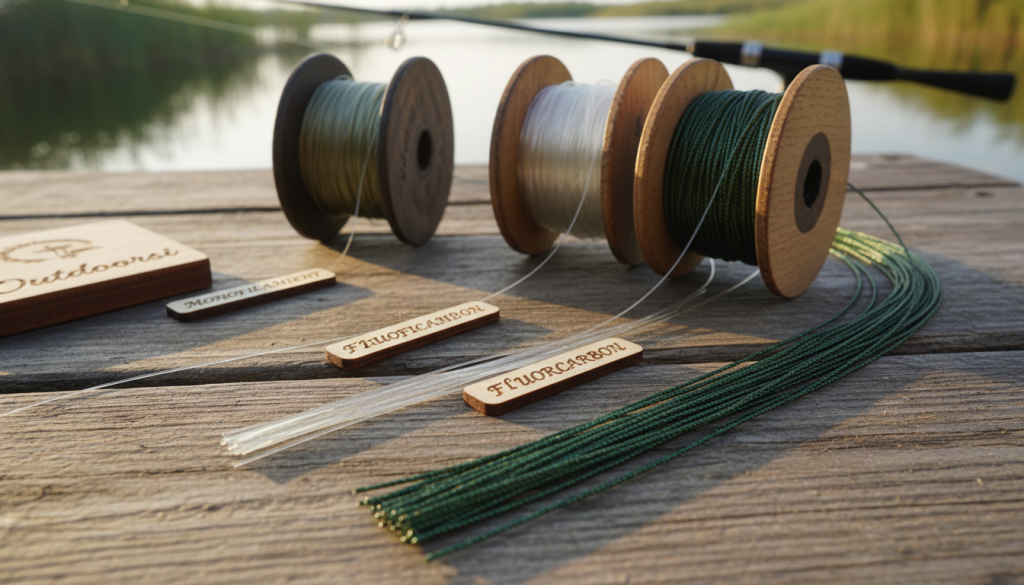
Braid
Braid offers the best sensitivity and the thinnest diameter. At equal breaking strain braid is roughly one‑third the diameter of mono, so you load more metres on a spool.
Zero memory and minimal stretch mean superior contact with lures and excellent casting distance. Use proper knots for slick braided line and add a leader for abrasion resistance.
Monofilament
Mono is cost‑effective and forgiving. It can stretch up to 25%, which helps absorb shocks during topwater work and sudden runs.
Beginners benefit from easy handling and strong knot performance. Mono also retains some memory and comes in a range of diameters and prices.
Fluorocarbon
Fluorocarbon has a refractive index similar to water, making it nearly invisible under clear conditions.
It’s denser and highly resistant to abrasion, so many anglers use braid as the main line and a fluorocarbon leader for stealth around structure. This combo gives you sensitivity, strength and low visibility in one setup.
- Braid: best sensitivity, thin diameter, low memory.
- Mono: stretch for shock absorption, easy knots, friendly price.
- Fluorocarbon: near‑invisible, abrasion resistance, ideal leader.
| Material | Key Strength | Best Use |
|---|---|---|
| Braid | Sensitivity, thin diameter | Lure anglers, long casts |
| Monofilament | Stretch, knot ease | Topwater, general use |
| Fluorocarbon | Invisibility, abrasion resistance | Clear water, leaders |
Matching Your Line to Target Species and Structure
How you rig up should reflect the habitat and fighting style of your target species. Pick materials and strength that suit cover, depth and the way a fish runs when hooked.
Fishing Around Structure
When you cast near rocks, sunken timber or mangroves, abrasion resistance is the priority. Mono or a good fluorocarbon leader will resist rubbing and cut-offs better than braid near sharp edges.
Targeting barramundi or mangrove jack? Choose a high test that handles sudden bolts and heavy cover. Check knots and splice points often for wear.
Depth and Sensitivity
In deeper water, thin diameter braid wins for reduced drag and sharp feedback on bites. Its lack of stretch gives a direct connection to your lure or bait and better feel on the drop.
Use a fluorocarbon leader for invisibility and extra abrasion resistance around structure. Match your class to the average size of the species you expect so strength and diameter suit the job.
- Tip: Inspect line regularly near sharp rocks and timber to avoid a lost trophy.
| Material | Strength | Abrasion Resistance | Best Use |
|---|---|---|---|
| Braid | High | Low (use a leader) | Deep water, sensitivity |
| Monofilament | Medium | Medium | Structure fishing, shock absorption |
| Fluorocarbon | Medium–High | High | Leaders, clear water |
The Importance of Using a Leader
Using a leader sharpens your presentation and protects your main line at the same time. A short length of tougher material sits between your spool and the bait. It reduces visibility and takes the wear from rocks, teeth and rough structure.
Fluorocarbon leaders give the best low-visibility result in clear Australian waters. They sink slightly and resist abrasion, so shy fish are more likely to bite.
Typical leader lengths run from 60cm up to 2 metres. Strength varies greatly — small estuary rigs use about 8–12lb, bream often sit at 2–4lb, while gamefish leaders might hit 150–300lb.
- A leader protects your main spool and gives a natural lure or bait presentation.
- Use braid as a main line for casting and a fluorocarbon leader where low visibility matters.
- Tie a strong knot such as the FG knot when joining braid to fluorocarbon for maximum strength.
- Inspect leaders often; replace any with nicks, fraying or loss of abrasion resistance.
| Target | Common Leader Strength | Typical Length |
|---|---|---|
| Estuary species | 8–12lb | 0.6–1.5m |
| Bream, small reef | 2–4lb | 0.6–1.0m |
| Gamefish (marlin) | 150–300lb | 1.5–2.0m |
Reel Compatibility and Spooling Considerations
A reel’s spool design and capacity determine which lines suit your setup best. Match spool capacity and braid or mono choices so casting stays smooth and tangles are rare.
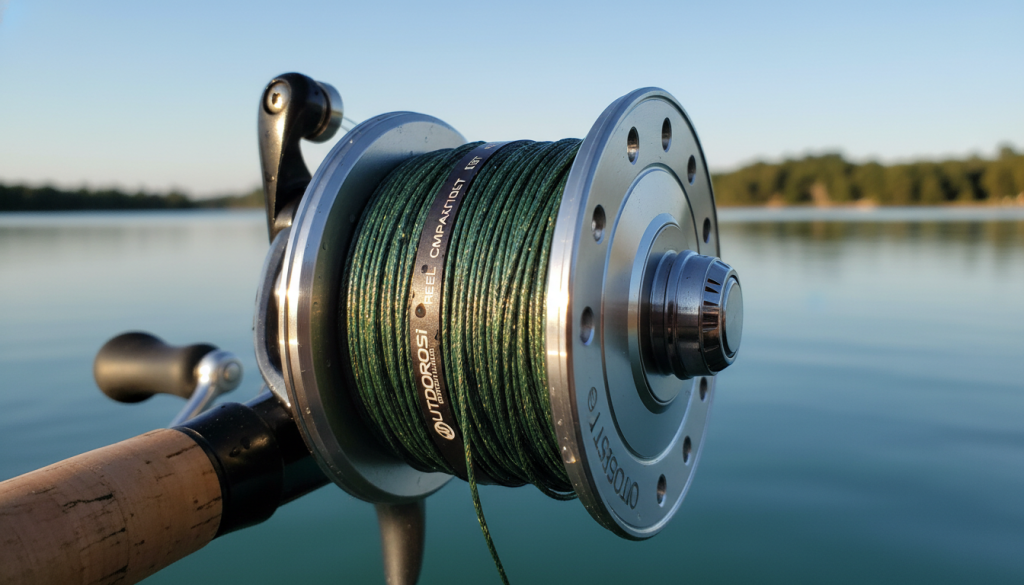
Managing Line Memory
Memory is a common culprit on older monofilament. Coiled loops make guides catch and reduce casting distance. If your mono holds tight coils, stretch a fresh length before spooling or replace the spool.
When you spool, keep steady tension. That stops the line from digging into itself during a big run and preserves spool capacity.
- Braid suits reels with large spools and gives more metres for deep work or long trolling.
- Modern spinning reels handle various materials, but check your manufacturer notes for recommended spool fill and knots.
- If memory persists, a swap to a low‑memory option or a fresh spool often fixes casting accuracy.
| Issue | Fix | Benefit |
|---|---|---|
| High memory (mono) | Stretch or replace | Smoother casting |
| Overfilled spool | Reduce fill | Fewer backlashes |
| Wrong knot | Use recommended knot | Stronger join to leader |
Tips for Extending the Life of Your Fishing Line
A little maintenance each trip protects your investment and keeps knots strong when a fish runs.
Rinse gear with fresh water after saltwater trips. Salt buildup weakens nylon and corrodes reel parts. Let everything dry before storing.
Store monofilament in a cool, dark place to avoid UV damage. Sunlight shortens nylon life and reduces strength over years.
Braid care: try flipping or reversing your braid after 12 months so fresh line from the back serves as the working spool. This trick reduces memory and improves casting.
- Check the last few metres for abrasion after fishing around rocks or structure.
- Inspect fluorocarbon for wear if you fish in clear water; visibility costs bites.
- Keep spare leaders and re‑tie knots that show wear before you head out again.
| Action | Benefit | When |
|---|---|---|
| Rinse with fresh water | Prevents salt damage | After coastal trips |
| Store out of sun | Protects mono and nylon | Long term |
| Flip braid yearly | Reduces memory, improves casting | Every 12 months |
Small care steps save you money and keep your spool ready for the next big catch, whether you fish in freshwater or the surf.
Conclusion
Picking the right spool and setup can turn average days on the water into memorable trips. Choose gear that suits the water, target species and the conditions you face around structure.
Understand the three main types and how each behaves. Match strength, diameter and abrasion resistance so your fishing line works with your tactics and tackle.
Use a quality leader to shield your main line and keep presentations natural in clear water. Maintain spools, rinse after salt trips and spool with steady tension.
Apply these simple steps, and you’ll fish with more confidence. Get out, try the combos that suit your region, and enjoy more hookups and better days on the water.