Not sure whether mono or fluorocarbon is best for your next trip? Picking the right fishing line can make or break your day on the water.
For Australian anglers, the real choice often comes down to how the line handles in estuaries, reefs and offshore grounds. Platypus has been making reliable fishing lines since 1898, so you can trust local history when matching gear to your target species.
This guide lays out the core technical points so you can weigh the difference between constructions. You’ll learn how each option affects casting, sensitivity and durability, helping you choose the best line for your reel and the fish you’re chasing.
Key Takeaways
- Choosing the right line boosts your casting and hookup success.
- Construction affects sensitivity, knots and abrasion resistance.
- Platypus has supplied Australian anglers with quality lines for over a century.
- Match the line to species and environment for better results.
- Knowing the technical differences helps you fish with more confidence.
Understanding Braided Fishing Line Construction
Construction determines how a braided fishing line will perform on reefs, flats and estuaries. You need to weigh strength, diameter and abrasion resistance when choosing a line for your local fishing.
The Role of Carriers
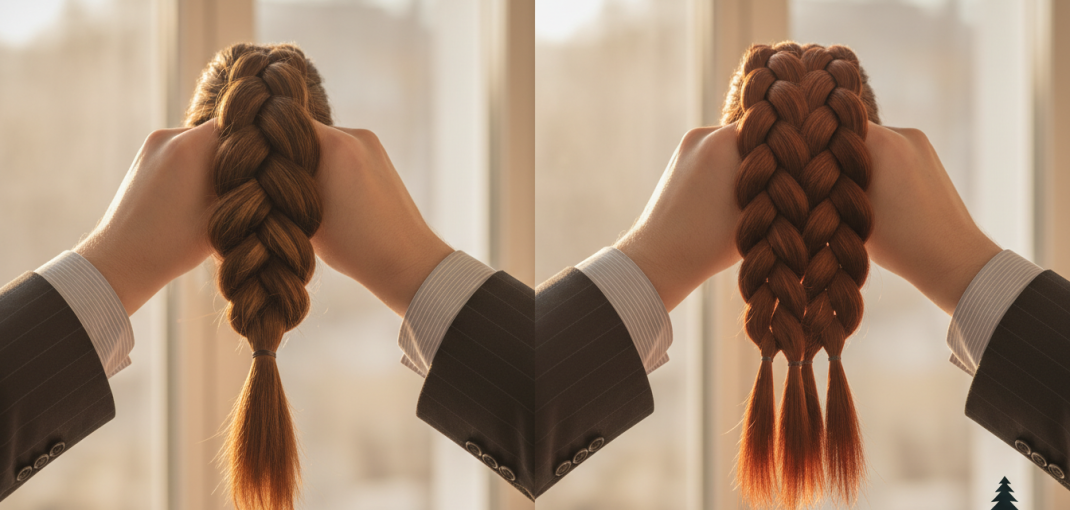
The number of carriers (strand count) defines the feel and profile of the line. Four-carrier options use thicker strands for a coarser, larger diameter that resists cuts around rock and grass.
Eight-carrier options use thinner fibers to make a rounder, smoother profile. That roundness helps casting distance and finesse presentations in open water.
Material Quality
Material quality matters more than marketing. Poorly made braids lack abrasion resistance and can fail on tough Australian structure.
Platypus has made fishing lines in Australia since 1898, using strong materials to improve sensitivity and strength for local anglers. For beginners, a sturdy four-carrier option offers easier line management and better durability.
- Tip: Balance diameter against sensitivity for your techniques and applications.
- Tip: Choose higher abrasion resistance if you fish heavy cover or grass.
Comparing 4-Strand vs 8-Strand Braid Performance
Choosing the right strand count changes how your line casts, feels and handles under pressure. The primary difference is smoothness: higher-count braids are rounder and slip through rod guides with less friction.
That round profile boosts casting distance and reduces noise on long casts, so it suits finesse work and open-water fishing. The finer diameter also gives you more line capacity on the reel for big, long runs.
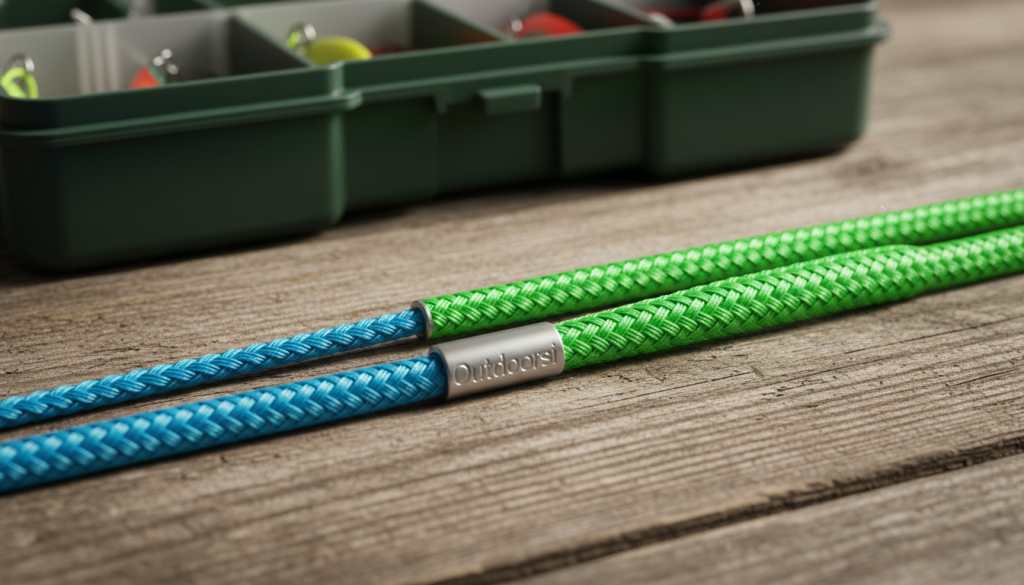
Lower-count constructions use thicker fibres and show better abrasion resistance. That makes them tougher around rock, reef and heavy cover where rubbing can cut a line.
- Smoothness: affects casts and noise through guides.
- Leader: always use a nylon or fluorocarbon shock leader for stretch and protection.
- Application: choose higher count for distance and finesse; lower count for abrasion and structure work.
| Characteristic | Higher-count | Lower-count |
|---|---|---|
| Casting distance | Better | Good |
| Abrasion resistance | Moderate | Superior |
| Sensitivity & feel | High | Good |
Modern braided fishing line is thin and strong but lacks the stretch of mono. Many experienced anglers pair the sensitive main line with a fluorocarbon or nylon leader to protect terminal tackle and absorb shock when chasing big fish.
Selecting the Right Line for Australian Fishing Conditions
Choosing the best line for local conditions changes how you cast, feel bites and fight fish. Match your choice to water clarity, cover and target species to get consistent results across estuaries, reefs and impoundments.
Finesse and Open Water
For clear bays and open-water casts, pick a slick, thin option. The Platypus Pulse X8 gives you a round profile and reduced friction for longer casting distance and better lure control.
Heavy Structure and Abrasion
When you fish mangroves, grass or rocky reefs, abrasion resistance is critical. The Platypus Pulse X4 has Armour-X coating and thicker fibers to resist cuts and extend the life of your gear.
Targeting Big Fish
For heavy drag battles, choose a construction that keeps its shape under pressure. Bionic Braid X9 uses an internal strand to hold a round profile and deliver consistent strength when you need it most.
- Leader: Always use a quality fluorocarbon leader to hide your line and add shock absorption.
- Diameter & memory: Consider how thin the line is and whether it coils on your spool—both affect casts and handling.
- Tip: Match line strength and abrasion resistance to the cover you fish, not just the fish size.
| Condition | Recommended Line | Key Benefit |
|---|---|---|
| Clear, open water | Platypus Pulse X8 | Thin diameter; long casts |
| Heavy structure | Platypus Pulse X4 | High abrasion resistance |
| Big fish, high drag | Bionic Braid X9 | Consistent strength; round profile |
Reel Compatibility and Line Management
Reel compatibility and good line care are the unsung factors in consistent fishing performance. Modern finer-diameter options let you fit more strength to a smaller reel without losing casting distance or capacity.
Using quality braided fishing or a thin fishing line on a compact reel reduces weight and makes long sessions easier on your arms. Make sure the spool is built to handle low-stretch, high-tension line lay.
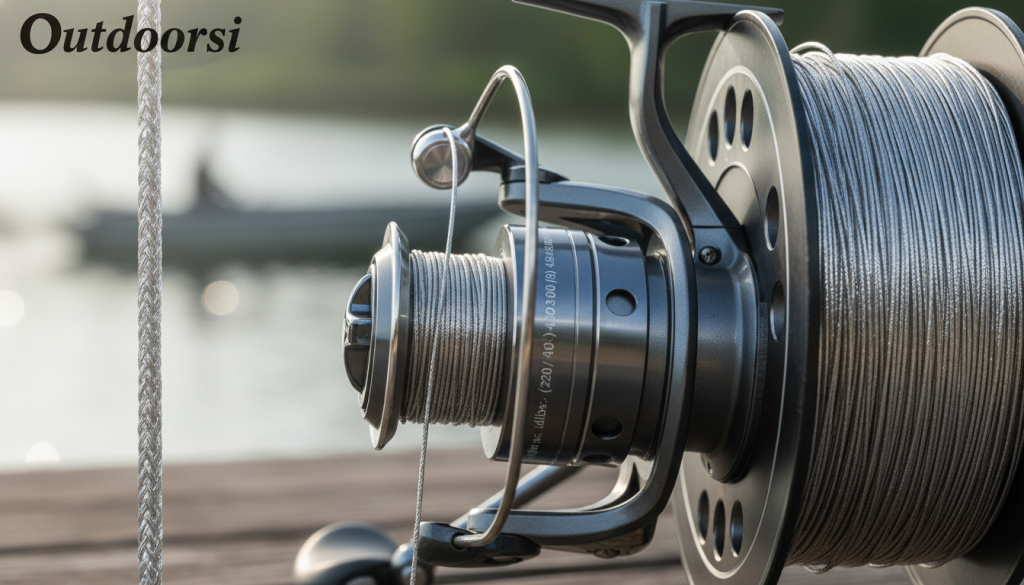
Proper line management stops wind knots and tangles. Always spool under steady tension and check that your reel’s drag runs smoothly when you switch from mono to a braided line.
- Check reel specs: confirm compatibility with thin lines and high loads.
- Spooled under tension: keeps lines laying evenly and reduces coils.
- Regular checks: inspect for frayed fibres and abrasion before each trip.
| Feature | Benefit | Action |
|---|---|---|
| Smaller reel | Less weight, same capacity | Use fine-diameter braid on a compatible spool |
| Smooth drag | Protects gear under load | Test drag with steady pull before water use |
| Even lay | Fewer tangles, better casting | Spool under tension and monitor during use |
Maximising Longevity and Performance
If you want consistent performance, your maintenance routine matters as much as the line you choose.
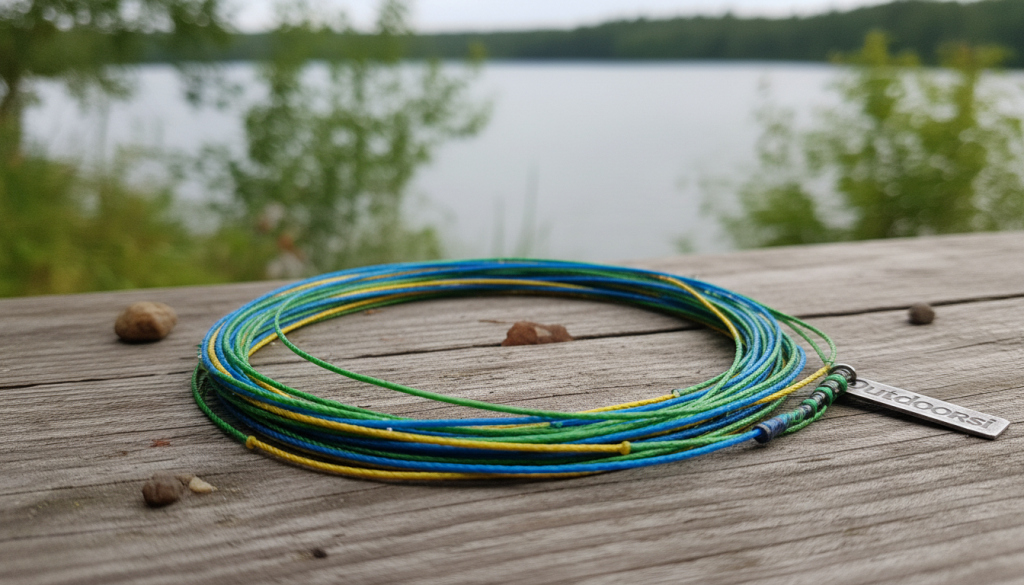
Knot tying is where many anglers lose strength. Master the FG knot or a slim connection to join a braid to a fluorocarbon leader without sacrificing pound-for-pound strength.
Knot Tying and Maintenance
Use knots designed for slick fibres; standard knots can slip on braided fishing and braided line. Practice a slim knot and trim tag ends close to avoid snags through guides and on casts.
Rinse your gear with fresh water after saltwater trips. Salt crystals weaken fibres and abrade your line over time.
- Inspect the first few metres after fishing around heavy structure or grass for abrasion.
- Keep the line clean so sensitivity stays high and you feel light bites.
- Use a quality fluorocarbon leader tied with a slim knot to pass smoothly through guides and reduce tangles.
| Action | Why | Frequency |
|---|---|---|
| Rinse spool | Remove salt; prevent abrasion | After every saltwater session |
| Inspect first metres | Spot cuts before they fail under load | After fishing structure or grass |
| Retie leader knot | Maintain strength and smooth casting | When switching leaders or annually |
By following these simple tips you will extend the life and performance of your lines. Clean, well-tied setups protect your reel and help you land more fish.
Conclusion
Deciding which construction suits your rod and water will shape every cast and hookup. Choose based on your fishing style, target species and where you fish to get the best result.
Lower-count options deliver extra abrasion resistance and strength for structure work, while higher-count choices boost sensitivity and smooth casts for finesse. Match your braided fishing line to the reel and use a proper leader knot to protect your setup.
Pick quality materials from trusted brands and follow simple maintenance tips like rinsing and inspecting the first metres. Doing so keeps your fishing line performing well and raises your chances of landing more fish.