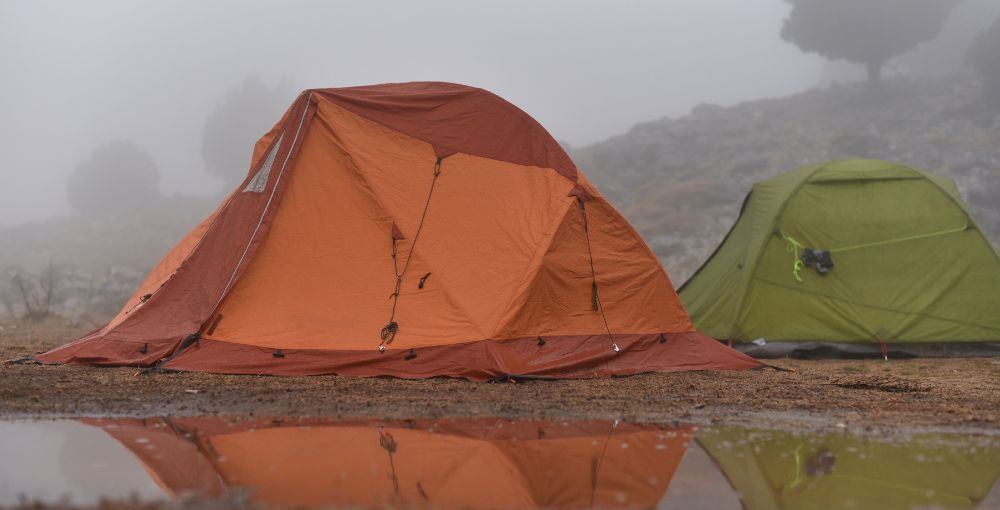
Camping is a fun activity, but getting everything right can be a hassle. One of the most important things to get right is keeping your tent dry. In this blog post, we’ll take a look at common causes of tent leaks and what you can do to keep your tent dry. Let’s jump right in!
Camping is a great way to get out in nature and enjoy the beauty of the outdoors. But it can be difficult if your tent gets wet. To make sure you stay dry during your trip, it’s important to be aware of potential problems that could lead to a wet tent and how to prevent them. This article will outline some common problems that can lead to wet tents, as well as provide solutions to ensure your tent stays dry.
One common cause of wet tents is improper tent setup. If your tent is not set up properly, rain can easily get in and make the inside of your tent wet. To avoid this problem, make sure your tent is set up correctly, taking care to stake it down properly and ensure there are no gaps or openings that could let in water.
Additionally, if you are camping in an area that is prone to high winds, be sure to use all available guy lines to secure your tent.
Another potential cause of wet tents is condensation. When warm, humid air comes into contact with your tent’s cold walls and it can cause condensation to form, resulting in a wet tent. To prevent this from happening, make sure you ventilate your tent properly by opening the windows and doors to allow air to circulate.
Additionally, you can reduce condensation by using a tarp to cover the top of your tent, which will help to stop the warm, humid air from entering.
Finally, if you are in an area that is prone to heavy rain, it is important to make sure your tent is waterproof. Many tents come with waterproof coatings, but these coatings can wear off over time. To ensure your tent is adequately waterproofed, it is a good idea to treat it with a waterproofing spray before each trip.
Keeping your tent dry while camping can be a challenge, but by understanding the potential problems that can lead to wet tents and taking the necessary steps to prevent them, you can ensure a dry and comfortable experience.
Be sure to set up your tent properly, ventilate it and make sure it is waterproofed before each trip and your tent should remain dry throughout your camping adventure.
Introduction to Keeping Your Camping Tent Dry: Benefits and What to Look Out For
Camping is a great way to get back to nature, but keeping your tent dry is essential for a comfortable night’s sleep. A dry tent ensures you have a safe, warm and bug-free environment to sleep in. There are many benefits to keeping your tent dry and knowing what to look out for can help you enjoy your trip even more.
One of the primary benefits of keeping your tent dry is comfort. A dry tent helps to keep you warm and dry and keeps out any unwanted bugs or pests. It will also help keep your belongings protected from the elements, as well as provide a private and secure place for you to sleep.
Additionally, a dry tent will also help to protect your tent’s fabric and poles, so it will last longer and provide more years of use.
When looking for a dry camping tent, there are a few key features to look out for such as waterproof fabric, taped seams and a good ventilation system. Waterproof fabric is important as it will ensure that no water can penetrate your tent. Taped seams help to seal any potential areas of water entry, while a good ventilation system helps to ensure that moisture can escape and also provide fresh air circulation.
If you are in an area where the weather can be unpredictable, it is also important to get a tent with a rainfly for added protection.
Keeping your camping tent dry is essential for a comfortable night’s sleep, and there are many benefits to it. Knowing what to look out for when shopping for your next tent will ensure that you have a safe, warm and bug-free environment to sleep in. Be sure to look for a tent with waterproof fabric, taped seams and a good ventilation system for the best protection against the elements.
Identifying and Avoiding Moisture: Types of Moisture, Where It Comes From and How to Prevent It
Moisture is a major concern for anyone using a camping tent. Understanding the types of moisture, where it comes from and how to prevent it is essential for a safe and dry experience. There are three main types of moisture: condensation, precipitation and flooding.
Condensation is the most common type of moisture and is caused by the difference in temperature between the inside and outside of the tent. When warm air contacts the cold surface of the tent, it releases moisture that can accumulate on the inside walls. This moisture can also be caused by body heat and breath.
To prevent condensation, it is best to use a breathable fabric tent that has a waterproof coating and ventilation.
Precipitation is the second type of moisture and is caused by the rain. To prevent moisture from rain, it is best to use a tent with a waterproof coating and a rainfly. It is important to ensure that the rainfly is taut to prevent water from pooling.
It is also very important to check for any holes or weak spots that could allow water to enter the tent.
The last type of moisture is flooding. Flooding can occur when a nearby river or stream overflows its banks. To prevent flooding, it is important to select a campsite that is at least six feet above the high-water mark. It is also important to make sure that the tent is well secured and that the ground is level. If flooding does occur, it is important to move the tent and its contents immediately.
By understanding the types of moisture, where it comes from and how to prevent it, campers can ensure a safe and dry experience while using a tent. With the proper preparation and precautions, campers will enjoy their camping trip.
Campsite Selection: Choosing a Dry Location and Setting Up Appropriately
When it comes to camping, choosing a dry location for setting up your tent is essential. Finding a spot that is flat and elevated can help avoid any potential standing water and moisture. Picking a location that is sheltered from the wind can provide additional protection from rain and other elements.
You should also be mindful of the ground beneath your tent. A grassy or sandy area is ideal for providing a softer surface for your tent. Avoid setting up your tent on rocky or wet ground, as this can lead to damage and leaks.
If you happen to be in an area that has been prone to flooding, setting up camp on higher ground can be beneficial. Make sure to check the area for potential flooding before setting up your tent. Keeping your tent and bedding off the ground is also important. If possible, use a tarp or an elevated platform to keep your items dry and protected.
Utilising a waterproof tent, such as one made of nylon can help keep the inside dry and comfortable. Sealing the seams of your tent and using a rainfly can also help keep moisture out. Additionally, investing in a waterproof camping tent can help keep your trip running smoothly and ensure you stay dry and comfortable.
Tent Setup: Positioning and Securing the Tent and Setting Up a Rainfly
The first step in setting up a camping tent is positioning it properly. When picking a spot for your tent, look for an area that is dry, level and free from potential hazards such as sticks, rocks and other debris. Once you find your ideal spot, anchor the tent in place by using stakes and/or guy lines.
The next step is to properly set up the rainfly. The rainfly is a waterproof fabric cover that goes over the tent. Setting up the rainfly correctly is essential for keeping the tent dry in case of bad weather. Begin by laying the rainfly over the tent and securing it with the tent poles.
Make sure the edges are carefully tucked under the tent and the rainfly is snugly draped over the tent. Secure the rainfly with stakes and guy lines to keep it in place.
Finally, check all the connections and ensure the tent is properly secured and ready for use. This includes making sure the stakes are firmly planted in the ground, the rainfly is secured around the edges, and the poles and guy lines are tight. This will ensure your tent is securely set up and you can enjoy a dry and comfortable night of camping.
Tent Maintenance: How to Maintain Your Tent and Keep It Dry
Tents are an invaluable piece of equipment when it comes to camping and other outdoor activities, but regular maintenance and care is necessary to keep them in good condition and ensure a comfortable and dry experience. In this blog, we will discuss the various ways to maintain your tent and keep it dry.
The first step in maintaining a tent is to inspect it for any damage. Look for any rips, tears or holes in the fabric, as well as any loose stitching or weak spots. If any damage is found, it should be repaired as soon as possible to prevent it from getting worse and compromising the tent’s waterproofing.
It is also important to clean the tent regularly to prevent dirt and grime from building up which can weaken the fabric and reduce the effectiveness of the waterproofing. This can be done by brushing the tent with a soft brush, then wiping it down with a damp cloth.
Another important factor in maintaining a tent and keeping it dry is to use a waterproofing spray. This spray should be applied to the exterior of the tent, as well as the seams to prevent water from entering the tent. The spray should be reapplied every few months to ensure it is still providing the necessary protection.
It is also important to keep the tent ventilated, as this helps to prevent condensation from building up and keeping the tent dry. Lastly, make sure to store the tent properly when not in use, as this will help to keep the fabric dry and prevent any mildew or mold from growing.
In conclusion, maintaining your tent and keeping it dry is essential for a safe and comfortable camping experience. Regular inspections, cleaning and waterproofing of the tent can help to prevent any damage while proper ventilation and storage can help to keep the fabric dry. Taking the time to properly care for your tent will ensure that it is ready for use whenever you need it.
Sealing Your Tent: Using Seam Sealers and Other Products to Make Your Tent Waterproof
Camping tents are a great way to enjoy the outdoors and make the most of any outdoor adventure. However, even the best tent won’t keep you safe from the elements unless it is properly sealed. Seam sealing your tent is the best way to make sure that your tent is completely waterproof and that you stay dry while camping.
Seam sealers are special products used to seal the seams of a tent and make sure that no water can get through. These sealers are available in a variety of forms, including sprays, liquid and tape.
No matter what type of seam sealer you choose, the application process is quite simple. First, you will need to clean the seams of the tent with a damp cloth. Once your tent is clean, you can apply the sealer to the seams of the tent. Make sure to apply the sealer slowly and evenly to ensure that it’s properly sealed. After the sealer has been applied, let it dry for at least 24 hours before using the tent.
In addition to using seam sealers, there are other products available to make your tent more waterproof. Waterproofing sprays and coatings can be used to provide an extra layer of water protection.
Additionally, using a waterproofing tent footprint can help keep the bottom of your tent dry and prevent water from seeping in. By taking the time to properly seal and waterproof your tent, you can ensure that you’ll stay dry and comfortable on your next trip.
Conclusion: Final Tips for Keeping Your Camping Tent Dry
Camping is a great way to enjoy the outdoors and have an exciting adventure with friends and family. However, in order to have a successful trip, it is essential to keep your camping tent dry. To do this, you need to use the right materials and techniques to ensure your tent is waterproof. The first step is to choose a tent that is made from waterproof fabrics and has a waterproof floor and seams.
Additionally, you should seal all seams with a waterproof sealant and use a tarpaulin to cover the tent when it is not in use. This will help to keep your tent dry and also protect it from the elements. Furthermore, it is important to keep the tent away from water sources, such as rivers and streams and ensure that the ground around your tent is free from standing water.
Finally, be sure to check for signs of dampness or leakage after heavy rain or storm and make repairs if necessary. Following these tips will help you keep your tent dry and ensure a fun and safe experience.
Overall, camping can be a great way to get out into nature and enjoy the outdoors. However, if you’re not careful, your tent can easily get wet and ruin your whole trip. By following these tips and keeping an eye out for any potential water sources, you can ensure that your tent stays nice and dry throughout your trip.
With the right preparation, you can have an enjoyable and dry camping trip!