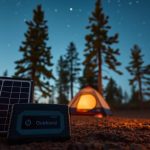
Does Australia have good hiking?
Backpacking in Australia is considered a “must do” for hikers all around the world. It’s a huge island offering tens of thousands of well-maintained hiking trails and is well known for camping and driving destinations.
So, if you’re looking for a unique experience, then you’re in the right place.
From rugged snowy mountain regions, clifftop waterfalls, desert, mosaic sun kissed gorges, lush tropical rain forests, swathes of white sandy beaches to marine reserves, its natural terrain and diversity of flora and fauna are spectacular.
Hiking is a great way to stay in touch with nature and to get a bit of exercise as you explore. From boosting fitness to increasing personal growth, hiking offers all kinds of benefits.
You won’t need to travel too far to satisfy your thirst for adventure, so head out into the wilderness and start exploring our amazing country. You’ll meet some of our beautiful native wildlife along the way. You can bring the kids too!
You’ll love the kangaroos, wallabies, wombats, koalas, especially our rainbow lorikeet with its friendly personality, unmistakable with its bright and colourful plumage. These beautiful creatures will give you the opportunity to connect with some of the most unique species in the world.
See Also: Australia’s Top Hiking Trails
The Best Hiking/Backpacking Tents 2023.
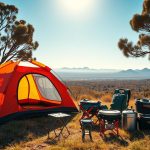
Hiking tents are designed to be a lightweight, durable and compact shelter for between 1-4 people. These features are also the most popular and preferred tent for hikers, backpackers, kayakers and cyclists.
The distinction between a backpacking tent and a camping tent is the size, weight and easy set-up. The backpacking tents are smaller and weigh less, making them ideal to carry long distances.
 |  | WEISSHORN 2-PERSON SWAG, HIKING DOME TENT Made with Weather Resistant Ripstop Canvas. This Tent has the 500gsm PVC waterproof flooring & extra 10cm high edge all around. Smooth, double sided zipper. Easy set-up with the least hassle. Good ventilation, removable canvas & heavy mesh included. The perfect choice for having a good night's sleep outdoors! |  |
 |  | COLEMAN 3-PERSON DOME TENT UNISEX ADULT HIKING TENT Lightweight/Easy to pitch. Highly flexible to withstand strong winds. Designed w/ several ventilation flaps for optimal air circulation. Mosquito net, inner pockets for mobile phone, glasses & keys. Large vestibule for luggage, equipment & shoes. 100% waterproof, taped seams, fully sewn-in groundsheet & bug free. Ideal for hiking & camping. | |
 |  | TETON 1-PERSON SPORTS ALTOS TENT Light weight & easy to set-up. Packs down tight for backpacking & hiking. Easy Pole set-up, micro mesh inner tent w/ perfect fitting, waterproof rainfly. Full mesh top allows for the perfect stargazing experience. Versatile & long lasting. Now you can get away from the city lights & enjoy the whole view of the Milky Way. | |
 |  | NATUREHIKE 2-PERSON ULTRALIGHT BACKPACKING TENT Packs small for backpacking w/ included carry sack. Easy set-up Y frame tent w/ simple structure. One person is able to set-up quickly. Extra vestibules with 2 doors for easy access & gear storage space. Tent can be affixed to fully closed or partially open for ventilation & shade. | |
 |  | COLEMAN 3-PERSON TENT FOR HIKING & TREKKING This super, ultralight tent is robust w/ 2 aluminium pole arches, two entrances, two storage spaces for shoes & equipment. Easy assembly & disassembly. High quality polyester fabric w/ taped seams. Good breathability, waterproof & Taped PE Sheet. | |
 |  | NATUREHIKE 3-PERSON UPGRADED CLOUD BACKPACKING TENT Free standing design, quick & easy-set up. Packs down small, includes ultra-compact compression bag. It has double inner & outer layers to provide flow of hot & cold air inside & out. Tent, fly & floor: 210T polyester, PU Coated 3000mm Waterproof index, Poles: 7001 aluminium poles. Zipper: Double slider YKK zipper. Ideal for backpacking/hiking. | |
 |  | COLEMAN TENT BEDROCK 2-PERSON HIKING TENT Lightweight & easy to pitch - two person tunnel tent. Highly flexible, w/ light fibreglass poles to withstand strong winds. Well-designed w/ several ventilation flaps for optimal circulation. Mosquito net & inner pockets for mobile phone, glasses, & keys. Ideal for hiking, backpacking & festivals. | |
 |  | HILLMAN 2-PERSON DOME BACKPACKING TENT The Hillman Tent is double layer, waterproof & windproof for Camping, Hiking & Travel. Its large mesh sections allow for greater ventilation. Quick & easy set-up in 10 minutes. High quality, waterproof materials make it water resistant & breathable, but also extremely light. Seams are double stitched & taps sealed to ensure waterproofing. | |
 |  | FBSPORT 1/2-PERSON BACKPACKING TENT Multifunctional, ultralight portable tent. Easy to put inside the backpack on camping trips. This high quality tent has easy set-up. Assemble in 5-10 minutes. Waterproof, Seam-taped rainfly (15D nylon, silicone/PU 5000mm) & bathtub floor (20D nylon, silicone/PU 6000mm). Anti-UV & wind resistant. Perfect for mountaineering, hiking, camping & other outdoor sports. | |
 |  | WEISSHORN DOUBLE SWAG/HIKING TENT Quick set-up, ultimate tear-resistant & waterproofing, fully enclosed w/ zipped openings for fresh air. Mesh panels to keep insects out. A 40mm high density foam mattress for better sleep, pre-curved aluminium poles structure design. Includes pegs & guide rope, carry bag & extras for a great camping experience. Ideal for hiking & trekking. | |
See also: Check out some of Australia’s top hiking trails
How to stay safe when hiking?
The most important aspect of hiking is preparation. It doesn’t matter whether you’re planning a strenuous trek or a half day hike, a good plan is necessary.
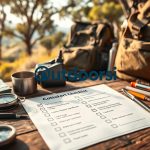
There is no universal safety checklist, but there are certain basics that you need to be familiar with. Getting lost when hiking can be dangerous, so you need to keep your wits about you. The important essentials to take with you include:
- NAVIGATION & PERSONAL LOCATOR BEACONS (PLBS) – Registration in Australia can be completed online for free.
- FIRST-AID SUPPLIES – including insect repellent;
- LIGHTING – Torch/batteries;
- FIRE – Butane lighter/matches;
- SUN PROTECTION – Sunglasses, slip, slop slap, sunhat;
- SUN PROTECTION – Extra thick clothing for change of weather;
- REPAIR & TOOLS KIT – Scissors, pliers, screwdriver, shovel, duct tape, cable ties;
- FOOD SUPPLIES – Emergency food for time delays;
- HYDRATION – At least 2 litres of water in case of emergency;
- SHELTER – Waterproof tent and backpack, thermal blanket, large garbage bags, insulated sleeping gear.
See also: Beacon Online Registration – Australian Maritime Authority
Some of the most common hiking hazards to be aware of are: avalanche, falls, flash floods, fires, heavy rain, hidden dangers such as snakes and poisonous spiders, river crossings and rock falls.
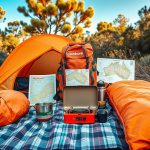
Always ensure that you’re heading in the right direction when trails aren’t marked and keep tabs on the weather forecast. It’s important to bring a trail map and compass with you in addition to your GPS and mobile data.
During your hiking adventure, search for stable ground to set up camp; always minimise the impact that your campfire may cause; dispose of all waste in the appropriate manner; leave what you find that is not yours; always show consideration to other visitors and last but not least, respect our native wildlife and don’t forget to bring a first aid kit with you.
Australia offers many hiking and trekking opportunities that you can select for your adventures. From mountains to lakes, its natural views are incredible. Before you head off, do your research and make sure you prepare and know what to do if you get lost and how to call for help.
In preparation, your search resources can be obtained from local hiking groups, hiking forums, blogs, books and on the internet.
All in all, the basic principles of hiking are to plan ahead with top notch preparation and ALWAYS STAY ON TRACK.
See also: Preparation is paramount when organising your hiking trip
Do’s and Dont’s when hiking in Australia.
Dodging fines are no fun at all! To make your next hiking trip a success, here are some easy golden rules to take with you:
PERSONAL LOCATOR BEACON/NAVIGATION: An excellent backup for any hiker or camper in Australia to transmit a signal if you get lost, or need assistance for injury.
WALKING GEAR: Forget about the thongs! For safety, get some waterproof walking boots with comfortable padding. Great for uneven ground and snake protection.
WEATHER: Aussie weather can be unpredictable, so always do your research and be prepared.
BUSHFIRES: Unfortunately, bushfires are part of the Aussie summer. Delay your camping trip, even if you hear that there is a minor hint of danger for bushfires. Check the local news in your area and forecast conditions ahead of time. Always check for updates.
CAMPFIRES: Apart from total fire bans, you must always check if you have permission to set-up a campfire. If allowed, you will need to observe the designated spots, but always check if the ashes are cold before you depart.
WATER CONTAMINATION: Don’t contaminate creeks by bathing in soap, or rinsing toothpaste from your toothbrush.
DRONE REGISTRATION: Be sure to check in advance if you decide to bring a DRONE on your hike. If you’re flying for fun, you don’t need to get permission just yet. As at mid 2023, if your drone weighs more than 250g, it will need to be registered.
DON’T FEED THE ANIMALS: Due to their ketogenic diet, anything you feed them may make them aggressive, or ill.
DON’T BE A LITTER BUG: Never throw food waste into the bush. Unfortunately, it probably won’t get the opportunity to decompose with our ravenous native wildlife out there. Save it in your backpack for disposal when you get back to civilisation.