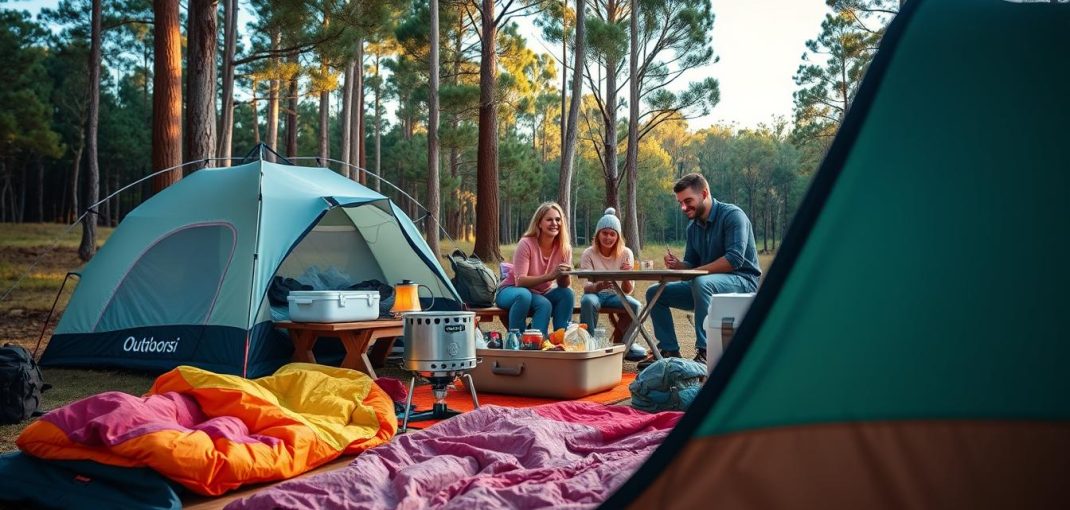
You want a stress-free outdoor break that keeps the kids happy and everyone warm at night. This intro points you to the essentials so you can pack smarter and spend more time enjoying the bush or beach.
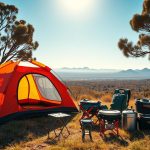
The North Face Wawona 6 tops our list for roomy interiors and tough fabric. Pair it with a Kamui 2-inch sleeping pad and Vango Harmony Deluxe sleeping bags for real comfort on uneven ground and cold nights.
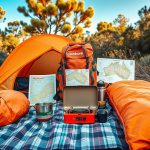
Bring practical items that solve real problems: a Colapz water carrier with shower attachment to rinse off mud, a Zippo power bank that gives six hours of charge and doubles as a hand warmer, and a compact camp kitchen setup to speed meals.
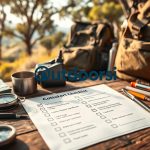
Use this guide to build a checklist for tents, sleeping systems, cooking, storage and safety so your next trip runs smoothly and stays fun for everyone.
Key takeaways
- Choose a spacious, durable tent like the North Face Wawona 6 for comfort and longevity.
- Prioritise sleeping comfort: Kamui pads and Vango sleeping bags handle rough ground and cool nights.
- Pack smart: Colapz water carrier and a Zippo power bank add convenience and warmth.
- Create a simple camp kitchen for faster meals and less mess.
- Use a checklist to cover shelter, sleeping, food, water and first aid for safer trips.
Planning Your Australian Family Camping Trip
Start with research so your site matches your needs and the kids have space to play.
Check campsite amenities online before you go. Look for water spigots, picnic tables and fire pits so you know what to expect at night.
Some campsites offer playgrounds or splash parks. If you have young kids, choose a place close to toilets and play areas to make the trip easier.
- Create a master checklist to avoid forgetting your tent, sleeping gear or cooking items.
- Packing in storage boxes saves space in the car and speeds up setup when you arrive.
- Know whether sites have electricity — that will decide if you need a portable power station.
- Check the weather forecast; rain or heat changes the clothing, shelter and food plans.
| Amenity | Why it matters | How it affects planning | Quick tip |
|---|---|---|---|
| Water spigot | Easy access to clean water | Reduces need to pack large water containers | Bring a jug and collapsible bottles |
| Electricity | Charge phones, power small appliances | Decide on a power station or battery bank | Coordinate shared charging with your group |
| Playground / splash park | Keeps kids entertained | Allows more relaxed meal and free time | Pick sites near facilities for short walks |
| Fire pit & picnic table | Central cooking and social spot | Plan meals and safety routines around the fire | Bring a fire safety kit and cooking plan |
Essential Family Camping Gear for Every Adventure
Good preparation means more playtime for the kids and less faffing at the tent. Below is a compact list of essentials that will keep your trip organised, dry and comfortable.
Essential Tools
A sturdy mallet and rock pegs are must-haves for banging in pegs on hard, dry Aussie ground. Pack extra tent pegs and a multi-tool for quick repairs.
Clothing Checklist
Bring moisture-wicking layers, a waterproof jacket and comfy camp shoes or sandals for around the fire. Use compression packing cubes to keep kids’ clothes tidy and save space in the car.
- Portable stove, coffee maker and durable plates for the camp kitchen.
- High-quality sleeping bags and pads suited to expected night temperatures.
- Separate bags for dirty laundry and clean clothes to reduce clutter.
- Duct tape, a multi-tool and a small repair kit for “just in case” fixes.
Organise gear in boxes or bags so you find things fast and spend more time enjoying the outdoors with your kids.
Selecting the Right Tent for Your Needs
Your tent is your base—get the size, weather protection and layout right for a better trip.
Choose size for people and kit. Count everyone and the items you need inside. Upsize for comfort—an 8–10 person model gives room for mattresses and movement if you’re a party of four.
Protect the floor. Use a footprint or tarp under the tent. It should be 2 inches smaller than the tent floor to stop rainwater pooling under the walls.
- Pick a tent with a high-quality rainfly to guard against sudden weather.
- Set up on a dry, flat patch of campsite to improve sleeping comfort and drainage.
- For bush trips, favour durable fabrics and strong poles that handle wind and frequent use.
- Practice pitching at home so you save time and avoid missing parts on site.
| Need | Recommendation | Why it matters | Quick tip |
|---|---|---|---|
| Space | Upsize by 1-2 people | Room for mattresses, bags and movement | Choose 8-10 person for a group of four |
| Floor protection | Footprint / tarp (2″ smaller) | Prevents water pooling and punctures | Trim tarp to fit under tent floor |
| Weatherproofing | Full-coverage rainfly | Keeps sleeping area dry in heavy rain | Test fly fit before you leave home |
| Durability | Sturdy poles & tough fabric | Handles wind, rough ground and time | Consider the Coleman Skydome XL 8 for value |
Creating a Comfortable Sleeping System
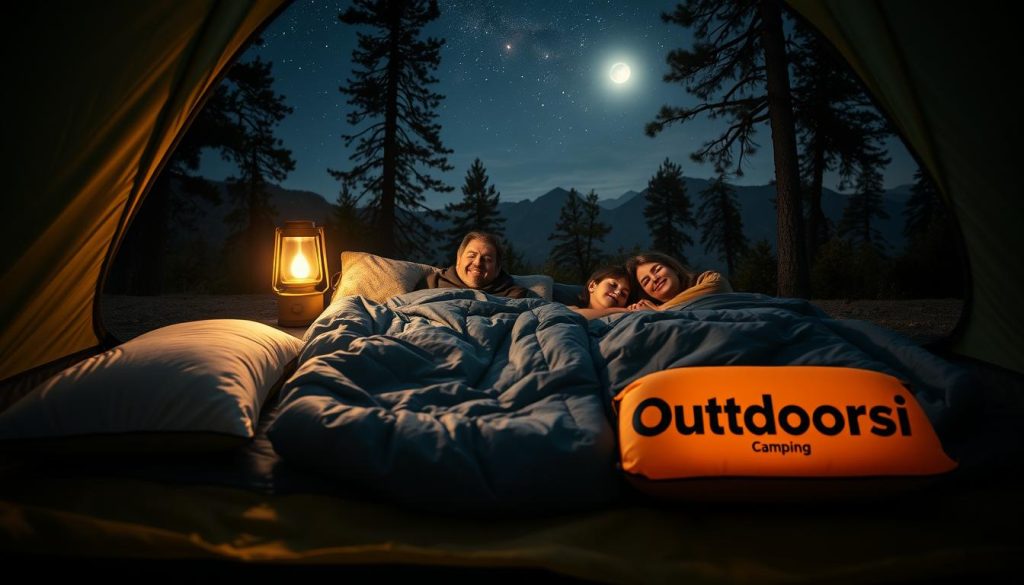
Comfort at night makes the whole trip better — focus on sleep systems that suit your group. Pick items that match expected night temperatures and the space in your tent.
Sleeping Bags
Choose the right rating. Invest in sleeping bags that match the forecasted lows so everyone stays warm. A liner adds warmth and keeps your bag clean for longer.
Self-Inflating Mats
Insulation and ease. Self-inflating mats like the Kamui pad save time at setup and stop heat loss to cold ground. For shared comfort, the REI Co-op Camp Dreamer Double is excellent as a roomy, deluxe option.
Cots and Bunks
Save floor space and lift kids off the ground. Kid-O-Bunk bunk bed cots are ideal when space is tight. They create a secure, fun sleeping spot and free up room for storage or a play area inside your tent.
- Check sleeping bag temperature ratings before you pack.
- Inflate mats at home to test for leaks and hold pressure.
- Use a small checklist so you don’t forget liners or repair patches.
| Item | Best for | Key benefit | Quick tip |
|---|---|---|---|
| Self-inflating mat | Solo sleepers | Easy setup, good insulation | Test beforehand |
| REI Dreamer Double | Couples / shared | Spacious, comfy surface | Bring a pump for speed |
| Kid-O-Bunk cots | Multiple kids | Saves space, lifts sleepers | Secure with straps inside tent |
Must-Have Camp Kitchen Equipment
A reliable stove and tidy prep space make meal times simple on any campsite.
Start with a robust stove. The Camp Chef Everest 2X handles wind and gives precise heat, so you can cook family favourites quickly. Add a portable grill for barbecues and breakfast fry-ups.
Bring a collapsible table to keep food off the ground and create a safe prep area. Use a Colapz 8-litre water carrier to move and pour water easily for cooking and cleaning.
- Sturdy cooler with reusable ice blocks to protect perishables.
- Basic utensils: sharp knife, can opener, bottle opener and a multi-tool.
- Biodegradable soap, wash bins and a drying rack for low-impact cleaning.
- Small coffee maker (French press) and mugs for an easy morning pick-me-up.
| Item | Why it matters | Quick tip |
|---|---|---|
| Camp Chef Everest 2X | Wind-resistant, even heat | Use a windscreen for best performance |
| Colapz 8L water carrier | Easy transport and dispense of water | Store near prep table for fast access |
| Collapsible table | Organised prep space | Keep utensils in a labelled box for quick setup |
Pack all kitchen items in one box so you set up fast and spend more time enjoying meals with the kids around the fire.
Lighting and Power Solutions for Off-Grid Living
Portable Power Banks
A high-capacity power bank keeps phones and essential devices charged in an emergency. Pick one with multiple outputs so you can top up a phone and a portable fridge at the same time.
For remote sites, consider a small solar power station. It will run lights, a pump and charge kits over several nights.
Lanterns and Headlamps
Rechargeable lanterns are ideal for hanging inside your tent for ambient light. The Coleman lantern is a standout: it is bright, rechargeable and has a battery lock to stop power drain.
Headlamps give hands-free light for late trips to the toilet and when you’re watching the kids at night. Pack one for every person.
- Test all items before you leave and carry spare batteries or chargers.
- Use solar fairy lights to mark the site and make paths easy to find.
| Item | Why it helps | Quick tip |
|---|---|---|
| Power bank | Emergency phone and device charging | Choose 20,000mAh+ with USB-C |
| Rechargeable lantern | Even tent light for reading and games | Lock battery to prevent drain |
| Headlamp | Hands-free safety for night tasks | Assign one per person |
Managing Storage and Cleanliness at the Campsite
A small routine for storage and cleaning saves time and keeps kids safe while you relax.
Sweep daily. Bring a dustpan and brush to clear sand, leaves and crumbs from your tent each morning. This keeps your sleeping bag and floor cleaner and cuts down on pests.
Use an entrance rug. Place an outdoor mat at the tent door to trap dirt before it gets inside. It makes a big difference when kids run in and out.
- Store food and kitchen items in dedicated boxes to free space and prevent spills.
- Keep a lidded bin for rubbish to deter wildlife and protect meals overnight.
- If you have a baby, use a labelled bag for nappies and wipes so essentials are easy to find.
- Collapsible bins work for washing, storage and tuck away when not needed.
- Teach kids to put toys and clothes in their place — it saves time and reduces lost things.
| Task | What to pack | Benefit | Quick tip |
|---|---|---|---|
| Sweeping | Dustpan & brush | Keeps tent floor clean | Sweep each morning |
| Entrance control | Outdoor rug | Reduces tracked dirt | Shake out daily |
| Food storage | Sealed boxes / crate | Protects food from wildlife | Label contents |
| Washing & stow | Collapsible bins | Saves space when not used | Use for dishes or laundry |
Safety and First Aid Essentials
A good first aid setup gives you confidence to manage minor injuries quickly at the site.
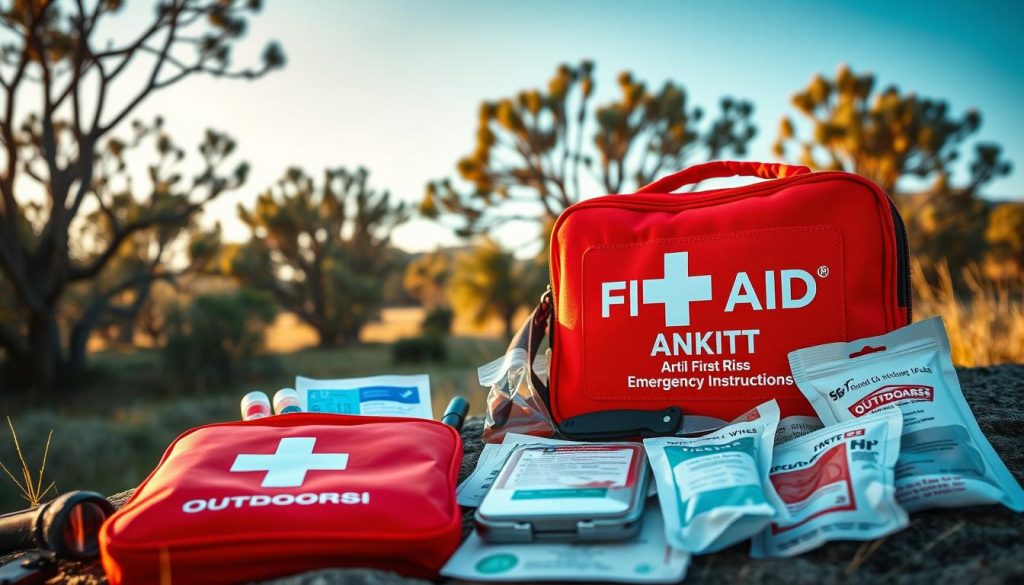
Keep a well-stocked aid kit in a clearly marked bag so you can grab it fast. Include bandages, antiseptic wipes, pain relief and any personal medications your group needs.
Pack items for the outdoors such as insect repellent, sunscreen and tweezers for splinters or ticks. If you have a baby, add age-appropriate medicines and items recommended by your paediatrician.
- Store the kit near your tent or sleeping area and keep a torch or headlamp handy at night.
- Attach a safety whistle to a common bag so kids can signal if they get lost exploring the site.
- Teach simple rules: stay away from the fire, wear shoes around the camp and tell an adult before wandering off.
- Check expiry dates on medicines before every trip and replace anything out of date.
| Item | Why | Quick tip |
|---|---|---|
| Bandages & wipes | Treat cuts and clean wounds | Keep varied sizes |
| Pain relief & meds | Manage pain and allergies | Record dosages on a note |
| Torch / headlamp | Access kit at night | Store with batteries |
| Insect repellent & sunscreen | Prevent bites and sunburn | Reapply frequently |
Specialized Gear for Beach and Bush Camping
Tailor your equipment to the environment so your trip runs smoothly whether you’re on sand or under trees.
Beach essentials focus on sun and sand. Teselate sand-free towels save space, dry fast and shrug off grit. Add a sunshade, a waterproof bag for electronics, and some water toys to keep kids busy by the surf.
Bush essentials prioritise safety. A reliable portable stove is essential where open fires are restricted. Pack sturdy hiking boots and a trusted navigation tool so you can follow trails and find your campsite.
- Check local rules for waste and fire before you leave.
- Bring a high-quality rain shelter for sudden downpours.
- Carry extra water and a compact stove for hot meals.
| Environment | Key items | Why it helps |
|---|---|---|
| Beach | Sand-free towel, sunshade, waterproof bag | Comfort, sun protection, dry valuables |
| Bush | Portable stove, hiking boots, navigation tool | Safe cooking, stable footing, route finding |
| Both | Rain shelter, extra water, rules check | Weather cover, hydration, legal compliance |
By matching your camping kit to the location you improve the whole experience. Plan for water, wind and rain so the day ends relaxed and safe for your family.
Tips for Camping with Babies and Toddlers
A few thoughtful additions will help your baby sleep and your toddler play safely outdoors.
Bring familiar comforts. Pack a favourite blanket or toy to make the place feel like home and ease night and nap transitions.
Use a pack and play. It doubles as a safe play area outside and a familiar sleeping spot inside your tent. Add a sound machine to mask campsite noise and help sleeping times settle.
Keep mealtimes simple. A portable high chair makes food prep easier and keeps toddlers secure while you get meals ready.
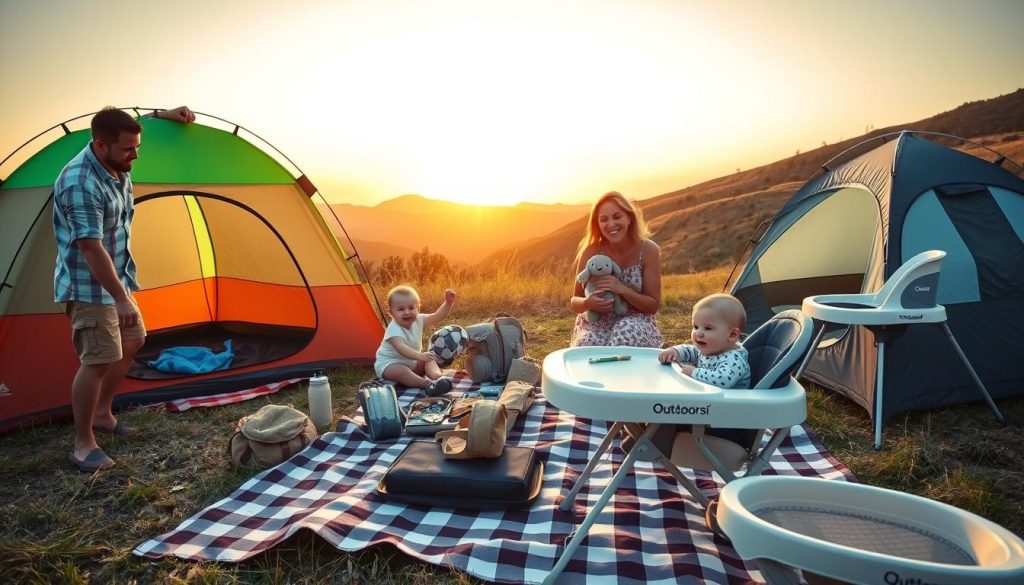
- Set a small fenced area or adjustable gate for safe play near the camp.
- Take a high-quality kid carrier for bush walks and a sturdy stroller for naps and gear runs.
- Bring plenty of wet wipes, diapers and a short checklist for night supplies.
- Stick to your usual routine where possible and stay flexible — patience helps everyone enjoy the trip.
| Item | Benefit | Quick tip |
|---|---|---|
| Pack & Play | Safe sleep and play | Use inside tent for familiar sleeping |
| Sound machine | Masks campsite noise | Choose rechargeable models |
| Kid carrier | Comfort on hikes | Test straps and fit at home |
Affordable Ways to Acquire Quality Equipment
Stretch your budget further by mixing smart buys with borrowed items and occasional rentals.
Borrowing from friends or relatives is a great way to test tents, stoves and sleeping bags before you buy. Check local “buy nothing” groups and Facebook yard sale pages for gently used finds.
Look for off‑season sales, thrift stores and bundle deals to save on essentials. Rent a high‑end tent or stove for a weekend if you want to try premium items without a big outlay.
- Ask for specific pieces as gifts to grow your kit over time.
- Pick cheap kitchen utensils, table items and flashlights from discount stores for first trips.
- Always inspect used gear for damage, missing parts or wear before you buy.
| Method | Best for | Quick tip |
|---|---|---|
| Borrowing | Try before you buy | Test setup at home |
| Second‑hand | Chairs, coolers, bags | Check zips and seams |
| Rentals & sales | Tents, stoves, specialty items | Compare hire vs buy cost |
Focus spending on the most important items first — a solid tent and a warm sleeping bag — and add the rest as you go. With patience and local searching, you can kit out your camp without breaking the bank.
Maintaining Your Gear for Longevity
Look after your kit now and it will repay you with reliable performance on every trip.
Always dry your tent completely before packing. Storing a damp tent encourages mould and weakens seams over time.
When you return home, set the tent up in the backyard to air it out and spot any small tears. Make sure zips and poles are checked and repaired straight away to avoid larger problems on the next outing.
- Wipe down stove and prep surfaces to remove food residue and deter pests.
- Wash or spot-clean your sleeping bag and store it loosely in a mesh bag to keep loft.
- Patch small fabric tears with a repair kit before they grow.
- Keep all items organised in a cool, dry space so they are ready when you need them.
| Item | Action | Why |
|---|---|---|
| Tent | Dry, inspect poles and zips | Prevents mould and extends life |
| Sleeping bag | Clean, store loosely in mesh | Maintains insulation and loft |
| Camp kitchen items | Wipe, remove crumbs | Avoids pests and odours |
Simple maintenance saves money and gives you more time to enjoy the outdoors. Look after these things and your kit will handle wind, rain and changeable weather without fuss.
Conclusion
Small routines and the right basics help you focus on laughs, not logistics.
Use our compact list of essentials to pack with confidence so your family stays comfortable and safe at the site.
Simple habits—tidy storage, a tested sleeping system and a reliable coffee maker—make the kids happier and improve the whole experience of the trip.
Follow these practical tips when you plan your next camping trip, choose proper sleeping bags and pick nearby campsites to keep logistics easy.
Start small, build your list as you learn, and enjoy more time under the stars. Happy family camping, and may your future camping trips be full of laughter and adventure.