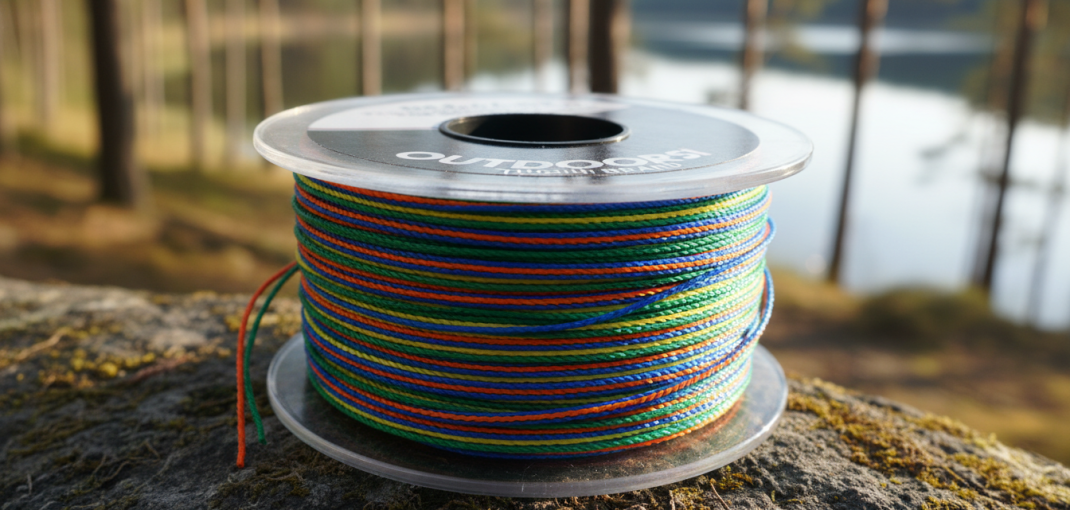
Deciding your next fishing setup starts with the right spool. If you want better sensitivity and longer casting distance, braid can help — but you must balance price and performance for Australian waters.
Since 1898 brands like Platypus have refined fishing line to cope with tough saltwater and snags. Braid is roughly one‑third the diameter of monofilament, so you get more strength for less bulk.
Choose braid when you need low stretch and high abrasion resistance, and pair it with a quality fluorocarbon leader for stealth around bites. Check reel compatibility and spool it correctly to avoid wind knots and cast issues.
If you fish reefs or estuaries, focus on diameter, breaking strain and coating. For beginners, pick a trusted brand and match the braid to your reels and lures to reduce frustration when you hook a big fish.
Key Takeaways
- High-quality braid boosts sensitivity and casting distance for many Australian anglers.
- Platypus and long‑established brands design lines for harsh saltwater conditions.
- Braid is much thinner than monofilament, offering greater strength per diameter.
- Use a fluorocarbon leader and check reel compatibility to avoid wind knots and failures.
- Balance price versus abrasion resistance and diameter for your target species.
The Reality of Cheap Braided Line Options
What you save at checkout can cost you hours on the water with poor-performing braid. FISHMAG testing shows budget spools from Sea Knight and Hercules often form frequent wind knots and fail under stress.
Many bargain products on big marketplaces miss the mark for serious Australian anglers. You may see an attractive price, but poor durability means more replacements and lost lures.
Experienced fishers prefer an 8-strand construction for smoother casting, steady diameter and consistent strength. If budget is tight, a quality monofilament spool beats a low-grade braided alternative every time.
- Check real-world breaking strain, not just the advertised figure.
- Avoid coarse fibres that raise abrasion and reduce casting distance.
| Type | Price | Performance | Best use |
|---|---|---|---|
| Budget braid | Low | Frequent knots, variable strength | Casual ponds only |
| Mid-range braid | Moderate | Consistent diameter, good abrasion resistance | Reefs, estuaries |
| High-quality monofilament | Low–Moderate | Good stretch, durable for budget rigs | When braid quality is suspect |
Why Braid Outperforms Monofilament
Modern anglers choose braid because it gives a near‑immediate feel when a fish touches your lure. That low stretch — roughly 3% compared with nylon monofilament — delivers far superior bite detection. You will feel subtle taps at long range and react faster for cleaner hook sets.
Sensitivity benefits
Braid transmits vibration to your rod tip with almost no lag. This direct feedback helps you detect soft bites and follow lure action closely.
Casting distance
Because braid has a much smaller diameter, it slices through air and water with less resistance. You get longer, more accurate casts and can spool more metres on the same reel.
- Direct feel: better hook‑sets for lure fishing.
- Smaller diameter: more capacity on reels and lighter setups.
- Low stretch: instant feedback for bites and improved control over lures.
| Feature | Braid | Monofilament |
|---|---|---|
| Stretch | ~3% | High |
| Casting distance | Greater | Lower |
| Use for lures | Preferred by anglers | Situational |
Understanding Braid Construction and Strands
The number of strands in your braid directly affects smoothness, diameter and casting performance. You’ll notice 4-strand braids feel coarser and resist abrasion better around rocks and structure.
By contrast, an 8-strand braid is rounder and quieter on the retrieve, giving longer casts and fewer knots through your guides. That round profile also lowers friction on rods and reels, so your lure flies truer.
Manufacturers now make 9-strand and 16-strand braids for anglers who need extra strength and tidy spool management. These advanced braids can improve handling, but they usually raise the price.
- Choose 4-strand for abrasion resistance around reefs and heavy structure.
- Pick 8-strand for maximum casting distance and smooth retrieves.
- Always check breaking strain and diameter to match your reels and target fish.
| Strand Count | Best Use | Key Trait |
|---|---|---|
| 4 | Rocky reefs, heavy cover | Coarse fibres, high abrasion resistance |
| 8 | Open water, long casting | Round profile, smooth casting |
| 9–16 | High-performance braided fishing | Superior strength, tidy spool control |
The Importance of Line Diameter and Strength
Getting the diameter-to-strength balance right changes how your gear performs. A thinner diameter boosts lure action and cuts current drag. That helps when you fish deep reefs or steep drop-offs around Australia.
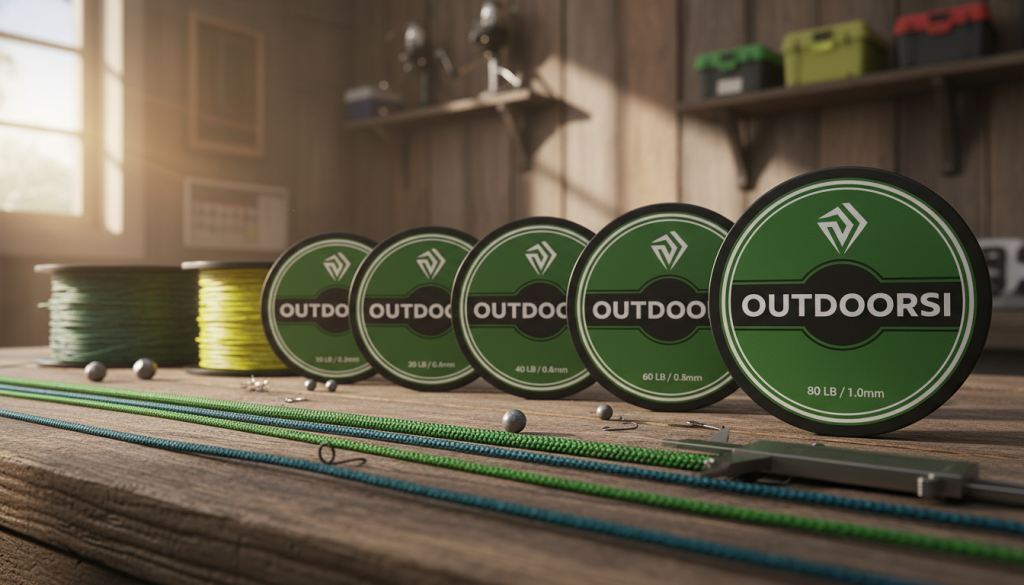
Breaking strain realities matter. Some premium spools over‑perform: Tasline Elite 16lb often breaks at around 24lb in tests, giving a useful safety margin during fights.
Breaking Strain Realities
Knots reduce effective breaking strain, so pick proven connections and test them before you head out. Consistent diameter also helps your reel spool evenly and reduces tangles.
- Thinner diameter improves sink rate and lowers current drag for deeper fishing.
- High-quality braid can exceed advertised breaking strain, adding confidence when you hook a big fish.
- Always compare accurate diameter specs, not just advertised strength or price, to avoid over‑spooling.
| Factor | Benefit | Practical tip |
|---|---|---|
| Smaller diameter | Faster sink, less drag | Choose for deep-water casting |
| High strength-to-diameter | Lighter gear, better feel | Match strands and reel capacity |
| Knot security | Maintains breaking strain | Use tested knots and check before trips |
Abrasion Resistance in Australian Waters
When you fish around rocks and sunken timber, abrasion becomes the top concern for your gear.
Abrasion resistance decides whether you keep your lure or cut loose. Australian reefs, kelp beds and snags will fray a spool fast if the coating or strands are weak.
Power Pro is widely praised for wrasse fishing because its coating boosts abrasion resistance. That extra protection helps when you work lures through dense structure.
- Use a strong leader to protect the main braid from sharp edges.
- Consider a 4-strand braid in heavy cover for added toughness.
- Inspect your spool often for nicks that cut breaking strain and strength.
- Pay a little more for a better coating; it reduces re-spooling and saves you money over time.
| Feature | Benefit | When to choose |
|---|---|---|
| Silicon/resin coating | Higher abrasion resistance | Rocky reefs |
| 4-strand | Durable against cuts | Kelp, timber |
| 8-strand | Smoother casting | Open water |
Managing Line Memory and Wind Knots
Preventing twists and memory starts at how you spool and handle your braid each time. Take a few minutes to spool tightly and evenly. That reduces slack loops that turn into wind knots on long casts.
Causes of Wind Knots
Wind knots usually form when the line loops in mid-air during casting. Loose spooling, a spinning lure and sudden gusts make knots more likely.
Damaged guides and worn swivels add twist and wear. Check guides before each trip to protect the braid and preserve breaking strain.
Managing Line Twist
Use a quality swivel to stop lures spinning on the retrieve. Feather the line with your finger into a headwind to keep tension as the cast lands.
- Spool tight: prevents early loops and reduces wind knots.
- Check guides: chips or burrs cause twist and cut fibres.
- Untangle gently: tease knots apart; don’t pull hard and tighten the knot.
| Issue | Cause | Quick fix |
|---|---|---|
| Wind knots | Loose spooling / slack casts | Re-spool tightly; shorten casts until tangle-free |
| Line twist | Spinning lure / bad swivel | Fit a high-quality swivel; check retrieve action |
| Memory loops | Poor storage / coiling on spool | Lay spool flat when storing; run line through a wet towel |
Reel Compatibility and Spooling Tips
Not every reel will handle ultra-thin braid without trouble under load. Check your reel specs to confirm it accepts finer diameters and braided lines for smooth line lay.
Use a monofilament backing on the spool where recommended. That prevents the braid slipping on the arbor and keeps tension even during a fight.
- Keep steady tension while you spool. Tight, even wraps reduce wind knots and memory.
- Many modern reels feature better oscillation systems for braided fishing, which improves line management.
- High-end reels will handle finer braids and can boost your casting distance and feel.
- Always read the manufacturer’s guidance for braid usage and any special mounting steps.
| Issue | Tip | Result |
|---|---|---|
| Slipping on spool | Fit 15–30m mono backing | Secure braid, stable drag |
| Poor line lay | Check diameter compatibility | Smoother casts, less digging |
| Wind knots | Maintain tension while winding | Fewer tangles, better strength on casts |
The Role of Fluorocarbon Leaders
A clear, strong leader changes how your whole setup performs when you target wary fish in shallow water.
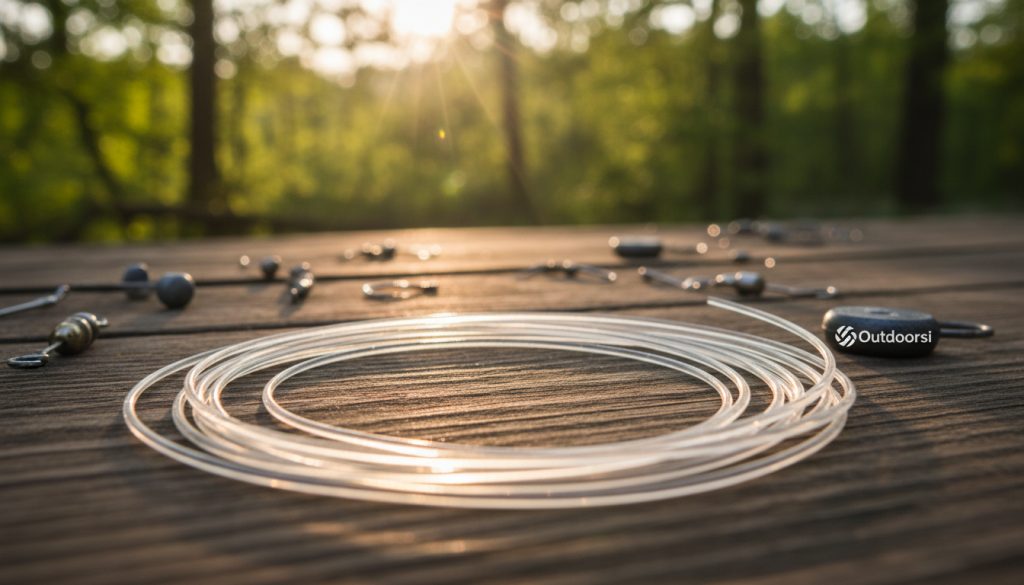
Fluorocarbon leader gives the abrasion resistance that braid lacks and sits nearly invisible under the surface. That helps when fishing clear reef flats or estuaries where sighted fish matter.
Because fluorocarbon stretches differently from braid, it acts as a shock absorber on sudden strikes. Aim for at least one rod length of leader so the fish cannot see your main braid during the fight.
Choosing the Right Knot
The knot you pick is critical. The FG knot is popular because it is slim and keeps strength for most braided lines and leaders.
- Test your knot before you fish; a well-tied join saves lures and fish.
- Check the leader often for nicks after contact with rock or timber.
- Keep a short spare length of leader for quick replacement on the water.
| Aspect | Best practice | Benefit |
|---|---|---|
| Material | Fluorocarbon leader 8–20lb | Higher abrasion resistance, near-invisible |
| Knot | FG knot or double uni | Slim profile, retains strength |
| Length | One rod length minimum | Keeps braid out of sight and reduces spook |
Saltwater Versus Freshwater Applications
Your choice of braid should start with the species you chase and the water you fish.
Saltwater is harsher on gear. Pick a braid with a strong protective coating to resist salt crystals and abrasion. Heavier diameters and higher breaking strain suit reefs, structure and big fish.
In freshwater, you often want a lighter, more supple braid for finesse work. A fine diameter improves lure action and delicate casting for wary fish in clear flats.
- Keep multiple spools so you can switch strength by location and price point quickly.
- Rinse reels and your braid with fresh water after every salt session to remove salt and grit.
- Use a fluorocarbon leader to add resistance where braid lacks visibility and abrasion protection.
| Water | Recommended braid | Key benefit |
|---|---|---|
| Saltwater (reefs) | Coated, heavier diameter | Higher abrasion resistance and breaking strain |
| Estuaries / inshore | Moderate strength, coated braid | Good casting and toughness around structure |
| Freshwater (lakes, rivers) | Lighter, supple braid | Finesse casting, better lure action |
Understanding local waters and matching strands, diameter and knots will keep your braided fishing line performing for years. The sensitivity and casting gains of braid remain useful across both salt and fresh water.
When to Avoid Budget Braid
When your target is a big trophy, savings on spool price become a risky gamble. If you chase powerful fish offshore, a low-grade spool can fail at the worst moment and cost you more than the purchase would have saved.
If your line frays after a few casts, that is a clear red flag. Fraying shows poor coating or weak fibres and raises the chance of break-offs around reef and structure.
Inconsistent diameter hurts precise casting and lure presentation. You’ll notice poor casts, more wind knots and unpredictable strength during fights.
- Avoid the cheapest spools for offshore or big-species fishing; pay a bit more for proven reliability.
- If you’re new to fishing, start with a mid-range braid to learn without constant tangles and failures.
- Use monofilament backing, test knots, and inspect the spool often to protect your gear and catch.
| Situation | Risk | Recommended action |
|---|---|---|
| Offshore, big fish | Line failure, lost trophy | Choose mid/high-grade braid |
| Fraying after few casts | Reduced strength, abrasion | Replace spool; inspect guides |
| Precision casting required | Inconsistent diameter, wind knots | Use consistent braided lines or monofilament backup |
Recommended Mid-Range Alternatives
A reliable mid-range spool gives you consistent performance without the premium price tag. These picks suit Australian reef and estuary work and improve casting distance and confidence with lures.
Daiwa J-Braid Grand
The Daiwa J-Braid Grand is an 8-strand favourite for local anglers. It delivers smooth casting and steady strength under load.
Platypus Pulse X8
Platypus Pulse X8 balances price and quality well. Its round profile and good coating boost abrasion resistance around structure.
Nomad Ammonite
Nomad Ammonite offers a thin diameter with solid breaking strain. That mix suits long casts and light tackle fishing.
- Why choose mid-range: better manufacturing gives consistent diameter and fewer knots.
- These brands perform well across varied Australian conditions.
- Investing here improves casting distance and reduces spool replacements.
| Model | Strands | Key benefit | Best use |
|---|---|---|---|
| Daiwa J-Braid Grand | 8 | Smooth casting, reliable strength | Inshore, reefs |
| Platypus Pulse X8 | 8 | Good coating, abrasion resistant | Structure, kelp |
| Nomad Ammonite | Thin ply | Thin diameter, high breaking strain | Long casting, light lures |
Expert Tips for Longevity
Simple maintenance habits add months of reliable performance to any spool of braid.
After every salt session, rinse your reel with fresh water. That removes salt and grit that quickly eat at fibres and coatings.
Check the first few metres of your line before each trip. This front section takes the most abuse during a fight with a big fish and shows early wear.
If the colour of your lines fades, consider re-spooling. Fading often signals fibre degradation and reduced breaking strength.
Use a quality leader to protect the main braid from abrasion. A good leader extends the time you can use the same spool and saves on replacement price.
- Store reels in a cool, dry place out of direct sunlight to avoid UV damage.
- Keep tension even when you spool to prevent loops and wind knots.
- Test knots and check guides regularly to preserve strength and feel.
| Action | Why it matters | Result | When to do it |
|---|---|---|---|
| Freshwater rinse | Removes salt and grit | Longer spool life | After each saltwater trip |
| Front-line check | Spots early wear | Prevents break-offs with big fish | Before each session |
| Use a leader | Protects braid from abrasion | Extends usable years of gear | When fishing structure or reefs |
| Store properly | Stops UV and heat damage | Maintains strength and feel | Between trips |
Conclusion
The right braided line ties your rod, reel and lure into a responsive, reliable setup. Match diameter, strength and abrasion resistance to the water and species you chase. That choice improves feel, casts and your chance of landing bigger fish.
For most anglers, a mid-range fishing line gives the best balance of performance and durability. Use a quality leader and test knots before you head out to keep your rig dependable in reefs and estuaries.
We hope this guide helps you pick the right braided fishing line and fishing lines for your next trip. Tight lines — enjoy the water with confidence and better results.