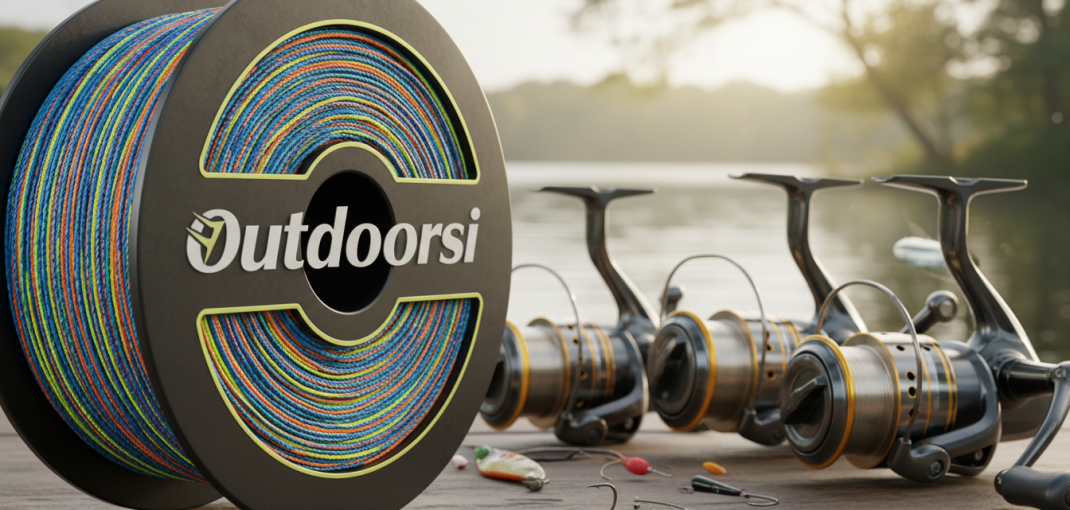
Choosing the right line is one of the smartest moves you can make on the water. Your gear’s performance shapes casting distance, sensitivity and how many bites you convert into landed fish.
In Australia, local conditions vary from estuary bream to offshore kingfish, so match your braid to the target species and environment. Modern braid uses high‑tech strands like Dyneema or Spectra to give thin diameter and high breaking strain while keeping stretch low.
Look for superior abrasion resistance, low memory and strong knots. Pair braid with a fluorocarbon leader for stealth near structure. Check spool capacity, PE rating and reel compatibility before you buy.
Tasline Elite is manufactured and tested locally across Australia and New Zealand, so you get tight quality control and reliable performance over years of use. Keep your braid rinsed after saltwater trips and you’ll save money over time by avoiding wind knots and lost fish.
Key Takeaways
- Match braid strength and diameter to your reel and target species.
- Low stretch and high sensitivity help you feel subtle bites.
- Use a fluorocarbon leader for stealth and abrasion resistance.
- Check PE rating, spool capacity and manufacturer specs before buying.
- Rinse and maintain gear after saltwater use to extend life.
Understanding the Modern Braid Revolution
Advances in synthetic fibres give anglers a lighter, sharper connection to their tackle. Manufacturers now build braid from HDPE and UHWPE strands — the same high‑tech material used by NASA for its strength-to-weight ratio.
What is Braid
Braid is made by twisting multiple PE strands together to form a thin, strong profile. Compared with monofilament, most quality braids stretch less than 3%, so your hooksets are instant and direct.
The Evolution of PE Fibres
Tighter weaves and hydrophobic coatings keep braid light and responsive during long sessions. Brands now offer 4, 8, 12 or 16‑strand constructions that improve casting distance and reduce friction through guides.
- Higher tensile strength: PE yields a superior strength-to-diameter ratio, letting you spool more and use lighter gear.
- Better abrasion resistance: Modern braids resist wear near structure and reefs.
- Enhanced sensitivity: You feel subtle bites and gain confidence with lures and braid combos.
What Makes a Good Braided Fishing Line
Choose braid that balances slim diameter with proven breaking strength. Thin profile improves casting distance and lets you spool more, but strength must match the species you chase.
Sensitivity matters. A tight weave and low stretch let you feel taps from bream or distant flathead pulls. Look for braids tested to true breaking strain — some makers overstate numbers to boost sales.
- Abrasion resistance: essential around rock, oysters and kelp.
- Supple on the spool: helps prevent wind knots and keeps casting smooth.
- Protective coating: silicon or similar finishes boost durability and casting performance.
- Visibility and longevity: high‑vis colours aid retrieve tracking and UV/saltwater resistance preserves colour and strength for years.
Pair your braid with a short fluorocarbon leader for stealth and extra abrasion protection. When your gear inspires confidence, you can focus on presentation and landing more fish.
Comparing Braid, Monofilament, and Fluorocarbon
Choose your cord by where you fish and how you present lures—each material brings distinct strengths.
Monofilament is forgiving and low in price, so many beginners prefer it. It has more stretch, which can act as a shock absorber when you fight large bass or trout around snags.
Braid offers superior sensitivity and casting distance thanks to a thin diameter and near-zero stretch. It needs care with knots because the slick surface can slip with standard clinch knot styles.
Fluorocarbon sits between those two: virtually invisible underwater and faster sinking, so it’s ideal as a leader for line-shy fish in clear water.
- Use braid on your spool for distance and feel; add a fluorocarbon leader for stealth and abrasion resistance.
- Mono can reduce memory issues in older reels but may coil on the spool over years.
- Many anglers run hybrids to get both sensitivity and knot security.
| Material | Best for | Key trait |
|---|---|---|
| Monofilament | Beginners, snaggy spots | Stretch/price |
| Braid | Long casts, sensitivity | Low stretch/thin diameter |
| Fluorocarbon | Leaders, clear water | Invisible/sinks fast |
The Importance of Line Diameter and Strength
Choosing the right diameter affects casting, spool capacity and the way your tackle performs on the bite.
Understanding PE ratings
The PE rating system gives you a standard way to compare braid diameter and breaking strength. Higher PE numbers usually mean thicker cord and higher rated strength. You can use this to match your spool and drag specs for reliable fights with target fish.
Thin diameter braids cut through water with less resistance, which improves casting and lure action in current or deep water. Premium Japanese braids, such as Shimano Ocea 8, pack impressive strength into slim diameters so you can load more onto your spool.
Bear in mind thinner cords are more prone to abrasion. If you fish around structure, beef up your fluorocarbon leader or step up the knot and leader strength to protect against wear.
- For light tackle—PE 0.6–0.8 gives finesse for bream and trout.
- For offshore work—PE 4+ handles big species like kingfish and tuna.
- Always check manufacturer diameter-to-strength specs; brands and strands vary.
| PE Rating | Typical Use | Advantages | Considerations |
|---|---|---|---|
| 0.6–0.8 | Light estuary, finesse lures | Long casts, sensitive | Lower abrasion resistance; needs leader |
| 1.5–2 | General coastal work | Good strength-to-diameter balance | Versatile spool capacity vs strength |
| 4+ | Offshore, big game | High breaking strain for heavy fish | Thicker diameter, more drag through guides |
Why Abrasion Resistance Matters for Australian Waters
Sharp coral, hidden rock and mangrove roots turn many coastal sessions into a test of abrasion resilience.
Australian shores are unforgiving. Your line meets jagged structure and timber on every cast, so choose gear with proven abrasion resistance.
High-quality braided line uses tighter weaves and coatings to fight wear. Even one small nick can weaken the last few metres and cost you a fish. Make inspection part of your routine.
- Use a longer fluorocarbon leader near rocks and oysters for extra cut resistance.
- Step up strength slightly when you fish heavy cover to protect knots and spool capacity.
- Balance suppleness and abrasion resistance; too stiff a braid can hurt casting and memory.
| Hazard | Recommended material | Notes |
|---|---|---|
| Rock/reef | High‑abrupt braid + fluorocarbon leader | Protects against sharp edges during fights |
| Mangroves/timber | Durable braid, larger knot strength | Use strong knot and check last metres often |
| Sandy/abrasive flats | Protected braid with supple coating | Maintains sensitivity and casting distance |
Managing Line Memory and Sensitivity
Small stretch and low coil memory are the twin benefits that set modern braided line apart for lure anglers. You still get about 3% elongation, so the feel is immediate without the snap of zero-stretch myths.
The Myth of Zero Stretch
Braid does not have zero stretch; it stretches roughly 3%, about one‑tenth of standard nylon. That modest give protects hooks and gear while keeping hooksets fast and direct.
Bite Detection Benefits
That low stretch is why sensitivity improves. You feel soft picks and subtle vibration through your rod and reel, so you can set the hook at once.
Memory is easier to manage with braid. It resists tight coils that often plague mono after sitting on a spool. That helps maintain smooth casting and reduces wind knots.
- Adjust drag slightly lighter to spare weak hooks and let the reel absorb shock.
- Match rod action to the braid for perfect sensitivity and control over your lure.
- Add a fluorocarbon leader for abrasion resistance around reef and structure.
| Trait | Braid | Practical tip |
|---|---|---|
| Stretch | ~3% | Fast hooksets, less shock |
| Memory | Low | Better casting, fewer knots |
| Sensitivity | High | Detect light bites |
Understand how your line behaves and tune your spool, knots and drag. That small effort will lift your success on the water and protect your price investment.
Selecting the Right Strand Count for Your Reel
Strand count changes how a braid sits on your spool and how it performs on casts and fights.
An 8-strand option gives a rounder, quieter profile that slides through guides with less friction. That often boosts casting distance and helps lines lay neatly on spinning reels.
Four-strand braids feel slightly coarser. Many anglers favour them for jigging or popping because the texture can improve abrasion resistance near rock and timber.
Higher ply options — 12 or 16 — cost more due to complex manufacturing, but they offer superior roundness and smoothness for long casts and tight spool packing.
- Match strand count to technique: smoother for casting lures, coarser for heavy cover.
- Check spool capacity: round braids pack evenly and resist digging during fights.
- Use a fluorocarbon leader for abrasion resistance and to protect knots near structure.
| Strand | Best for | Key trait |
|---|---|---|
| 4 | Heavy cover, jigging | Coarser, tougher |
| 8 | Spinning, long casts | Round, quiet |
| 12–16 | Tournament casting | Very smooth, higher price |
Matching Your Line to Saltwater and Freshwater Environments
Match your cord to the water you fish in: estuaries demand finesse while bluewater needs brute strength. Choose gear that suits the target and the conditions to get better results on every trip.
Estuary requirements
For estuary work, use a light braided line that lets your lure move naturally and helps with long, accurate casting. High-visibility colours help you track presentations around mangroves and pylons.
Offshore requirements
Offshore sessions need higher strength braid with top abrasion resistance to handle reef, kelp and big fish. Metered or colour-coded braid is handy for finding depths and repeating productive drifts.
- Rinse your braid after saltwater trips to remove salt crystals and grit.
- Use a strong knot between braid and fluorocarbon leader to avoid failure in fights.
- Match diameter to your spool so you keep capacity and casting performance.
| Environment | Recommended | Tip |
|---|---|---|
| Estuary | Light braid, high-visibility | Finesse lures, long casts |
| Offshore | High-strength braid, coated | Use leader, monitor abrasion |
| Freshwater | Lighter line, softer diameter | Less corrosion risk, easier handling |
Tasline Elite works across these conditions, from bream to kingfish. Tailoring your choice improves confidence, reduces gear failure and gets you more fish for your spend.
The Role of High Visibility and Colour Coding
Colour choices on your spool do more than look good. Bright tones such as orange or yellow let you follow your line during retrieves and drifts. This helps you see bowing or slack and react fast.
Colour-coded braid that shifts every 5 or 10 metres is invaluable offshore. It turns metres into a depth ruler so you can place lures at a repeatable zone.
White braid offers a neat compromise. It is visible above water but often blends with sky reflection, reducing detection by wary fish.
- High-vis lines help you spot subtle twitches before you feel them.
- Use fluorocarbon leaders for stealth where visibility could spook fish.
- Pick colours based on wind, light and your target species to balance sight and concealment.
| Situation | Best colour | Tip |
|---|---|---|
| Windy estuary | Bright yellow | Easy bowing detection |
| Offshore depth work | Colour-coded | Measure metres quickly |
| Clear water, shy fish | White or low-vis | Use short fluorocarbon leader |
Modern manufacturers offer many hues and patterns. Choose what improves your control over lure action and casting distance while keeping an eye on stealth when it counts.
Essential Knot Techniques for Slick Braided Lines
Many lost fish start at the knot; get that connection right and the rest follows.
Braid is slick and some standard knots will slip under strain. The improved clinch often fails, so pick techniques built for low friction cords.
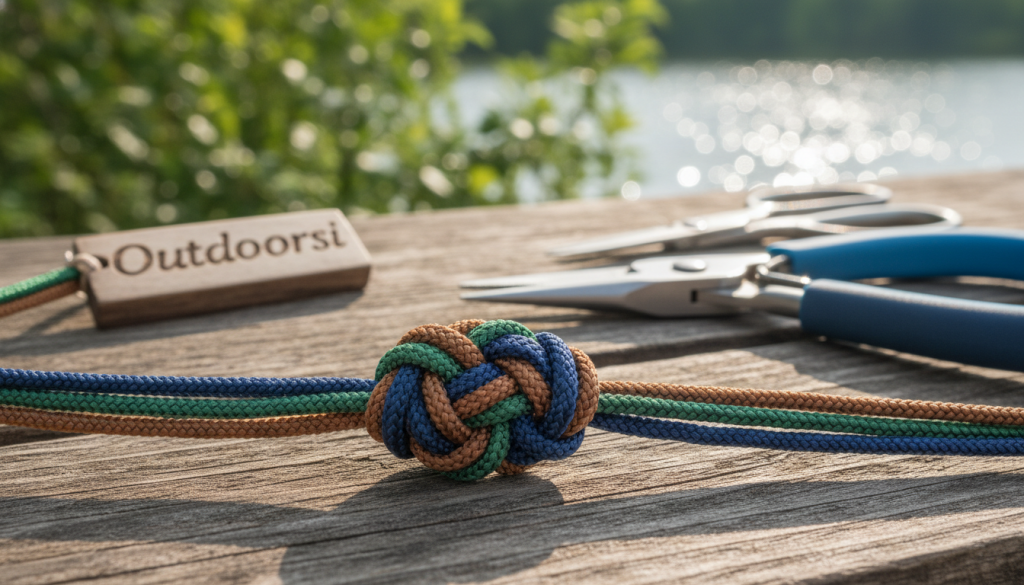
The FG knot is the gold standard when joining braid to a fluorocarbon leader. It lays slim, runs through guides and keeps most of your breaking strength.
The double uni is easier to learn and gives reliable strength for general fishing. It’s great when you need a quick, robust join on the bank.
- Lubricate the cord with water or saliva before cinching to protect fibres.
- Take your time and dress each turn neatly; uneven wraps cut performance.
- Practice at home and consider a knot-tying tool for cold or windy days.
| Knot | Best use | Key benefit |
|---|---|---|
| FG knot | Braid to fluorocarbon leader | Low profile, high strength |
| Double uni | General joins | Easy, reliable |
| Palomar (dressed) | Terminal rigs with mono/fluoro | Quick, strong |
Remember: the knot is often the weakest point. Master these joins and you’ll protect your gear, improve casting control and land more trophy fish.
Why You Need a Quality Fluorocarbon Leader
A short fluorocarbon leader transforms your braid setup into a stealthy, abrasion‑proof rig. It’s nearly invisible underwater thanks to a refractive index close to water, so wary fish inspect your lure without spooking.
Fluorocarbon also adds abrasion resistance near rock, timber and oysters. Its denser profile sinks faster than monofilament and helps your lure reach the strike zone sooner.
Match leader strength to target species and conditions. Use a slightly heavier breaking strength near structure and swap to lighter leaders for estuary finesse.
Many anglers trust Varivas Hard Top Fluorocarbon for consistent performance and reliable knot behaviour. The leader offers a touch of stretch too, which acts as a small shock absorber during the fight.
Inspect the leader after every fish for nicks and replace if damaged. Combine your braid’s sensitivity with a quality leader and you’ll see better hookup rates.
- Stealth: near‑invisible in clear water.
- Protection: superior abrasion resistance at the business end.
- Performance: sinks faster and shields knots during the fight.
| Trait | Benefit | Tip |
|---|---|---|
| Refractive index | Low visibility | Use for shy species in clear water |
| Density | Sinks faster | Short leader for fast presentations |
| Abrasion resistance | Protects last metres | Replace after contact with structure |
Recommendations for Beginner Anglers
Start simple: pick gear that helps you learn casts and knots without extra fuss.
Try monofilament first — it is forgiving for casting and knot practice. It helps you focus on technique before you move on to more technical cords.
If you switch to braid, consider a mid-range brand such as Daiwa J-Braid. That model balances handling and durability for learners.
Avoid very cheap braid. Low-cost options often tangle, form wind knots and fail under pressure. Learn one or two knots well — the double uni is reliable and quick to tie.
- Start with moderate breaking strength (10lb–15lb) to cover many species.
- Use a short fluorocarbon leader for abrasion protection and stealth.
- Ask your local tackle shop for advice on diameter and reel match.
| Choice | Why | Tip |
|---|---|---|
| Monofilament | Easy casting, knot practice | Good for beginners |
| Mid-range braid | Sensitivity and spool capacity | Try Daiwa J-Braid |
| Fluorocarbon leader | Abrasion resistance, stealth | Short 30–60cm leader |
Above all, get out on the water and practice. With patience you’ll enjoy better control, more confidence and more fish.
Premium Options for Tournament and Game Fishing
When tournament stakes are high, every metre of your spool and every cast counts. You need gear that stays consistent under pressure.
Gosen 16-ply casting braid sits at the top. It is the only 16-ply option on the market and gives exceptional smoothness and strength for long, accurate casts.
Pros include very low friction through guides, high sensitivity so you won’t miss soft takes, and superior abrasion resistance during long heats at sea. Many pros choose colour-coded models to mark depth and monitor lines over time.
- Durability: holds strength after hours in harsh conditions.
- Performance: improves casting distance and control.
- Compatibility: check your reel capacity before spooling premium braid.
| Feature | Benefit | When to use |
|---|---|---|
| 16-ply braid | Smoother casts, extra strength | Tournament casting, long-range work |
| Colour-coded lines | Depth tracking | Game fishing, metre-marked drifts |
| Fluorocarbon leader | Stealth and cut protection | Around reef and clear water |
Proper Maintenance to Extend Your Line Life
Small maintenance steps prevent big failures on the water.
After every saltwater trip, rinse your spool and reel with fresh water to remove salt crystals and grit. Daiwa J-Braid Expedition features a silicon coating that helps stop water and silt absorption, which lowers wear and keeps the cord supple.
Inspect your braid for nicks or frays, especially after contact with rock or timber. If you spot damage, cut that section off and re-tie your fluorocarbon leader rather than risking a lost fish.
- Avoid storing gear in direct sunlight; UV weakens material and reduces strength.
- Use a line conditioner occasionally to keep braid smooth for better casting and reduced friction through guides.
- Store reels in a cool, dry place to stop corrosion and moisture build-up.
| Action | Why | Tip |
|---|---|---|
| Rinse after use | Removes salt and grit | Dry before storing |
| Inspect & trim | Prevents failures near structure | Cut and re-tie leader |
| Store shaded | Preserves abrasion resistance | Keep reels covered |
Treat your fishing line with care and you’ll enjoy reliable performance for many trips. Good upkeep keeps your lines ready and protects your chances at more fish.
Conclusion
A careful match between strength, diameter and cover will lift your catch rate and confidence.
Choose braided cord that suits your target and gear. Balance thin diameter with proven strength and high abrasion resistance for the waters you fish.
Always pair braid with a quality fluorocarbon leader for stealth and extra protection near reef or timber. That combo keeps sensitivity high while guarding against cuts.
Do simple maintenance: rinse after salt trips, inspect for nicks and trim worn sections. These small steps extend performance and protect your investment.
Whether you’re learning or chasing tournament results, the right setup gives you control and better outcomes. Use this guide to pick gear with confidence.