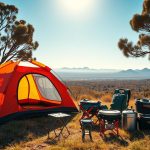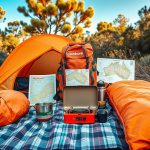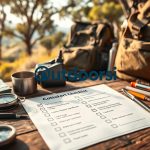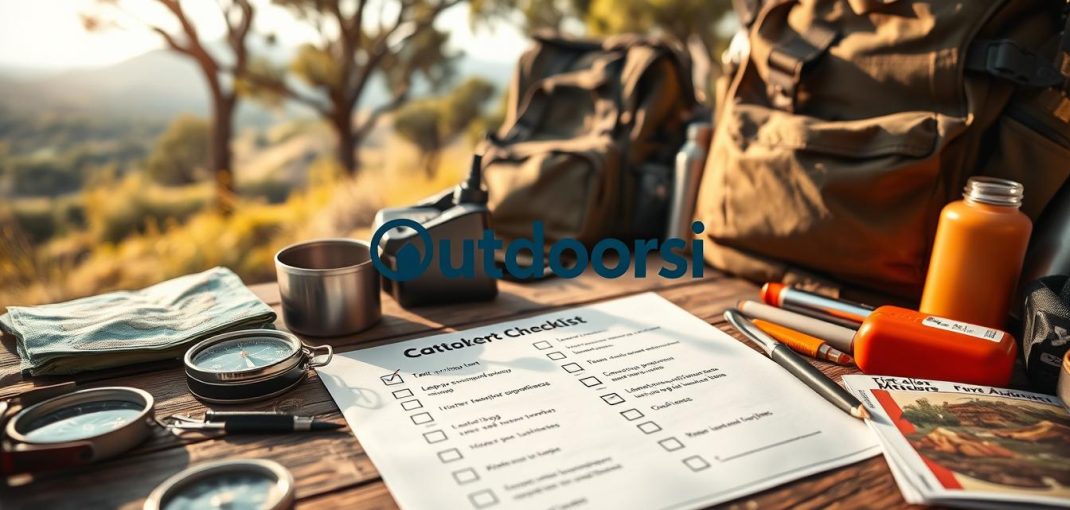
Preparing for your next Australian adventure starts with a clear plan. Whether you head to the bush or the beach, a good camping checklist helps you pack smart and stay calm.
Bring the kids and make it fun, but be extra diligent with your gear. A sturdy tent is the foundation of your site, so choose one that fits your family needs before the trip.
Plan ahead to avoid last-minute stress and forgotten essentials. This guide helps you review gear, organise meals and safety items, and get the whole family ready for memorable trips under an outback sunset.
Key Takeaways
- Plan early to reduce stress and avoid forgotten items.
- A reliable tent makes campsite life easier for the family.
- Pack with kids in mind: safety, comfort and entertainment.
- Tailor your gear to the location — bush or beach needs differ.
- Review food, water and first-aid before every trip.
The Importance of Strategic Camping Preparation
Smart preparation is the single best way to make your outdoor trip smooth and enjoyable.
Plan early so you have enough time to sort gear, permits and travel details. This saves stress and helps everyone stay relaxed at the site.
When you have kids with you, make sure their comfort and entertainment are covered. Small toys, clear routines and spare clothing reduce meltdowns and keep the day fun.
Experienced campers know the secret: organise your kit before you leave. Lay items out, group them by use, and pack essentials where you can reach them quickly.
- Research the location so you understand hazards and rules.
- Allocate set-up tasks to save time on arrival.
- Double-check water, food and first-aid supplies.
| Item | Why it matters | Quick tip |
|---|---|---|
| Shelter | Protects from weather and offers privacy | Pitch at home once to test |
| Food & water | Keeps energy and health high | Pre-portion meals for easy cooking |
| Kids’ kit | Reduces boredom and discomfort | Pack a small activity bag per child |
| Navigation | Avoids delays and risky detours | Download maps offline before departure |
Your Essential Camping Checklist for Australian Adventures
Smart packing gives you freedom to relax once you reach your chosen site. Use logical groups so you can find what you need fast and avoid last‑minute runs to the car.
Essential Gear Categories
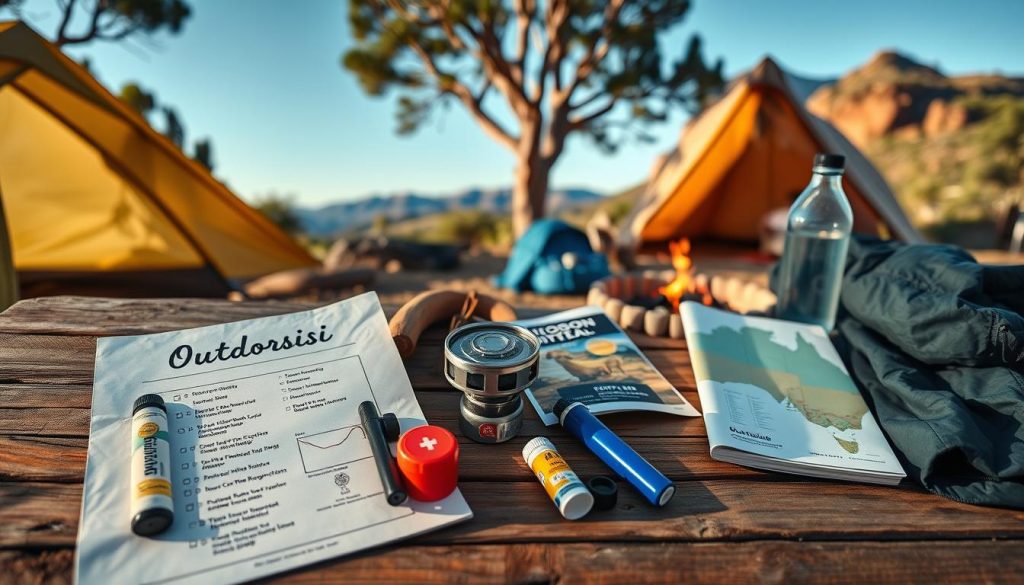
Group your items into sleeping, cooking and safety. That way your kit is tidy and accessible when you set up the tent.
- Sleeping: rated sleeping bag, inflatable mattress and pillow.
- Cooking & food: stove, clear containers for meals, utensils and easy-access snacks.
- Safety: well-stocked first-aid kit, torch, maps and a spare phone battery.
- Water: multiple containers and a simple filtration option to keep you hydrated.
Packing Smart
Prioritise weight and weather. Choose a sleeping bag rated for the nights you expect so you stay warm inside your tent.
Buying tip: consider the Hydroflow Deluxe 3.0 Gazebo for extra shade and weather protection at your campsite. It’s versatile and quick to erect.
| Item | Why it matters | Quick tip |
|---|---|---|
| First-aid kit | Essential for minor injuries | Include blister and snake-bite items |
| Water containers | Keep everyone hydrated | Bring one spare per person |
| Clear food boxes | Speeds meal prep | Label with meal order |
Selecting the Right Shelter and Sleeping Systems
Choosing the right shelter and sleeping setup makes every night outdoors more restful.
Start with tent selection. The OZtrail Fast Frame Odyssey 10P Tent gives roomy, family-friendly space and fast pitching. For better light control, the OZtrail Fast Frame BlockOut Lumos 12P Tent uses block-out fabric so kids sleep longer. Compare capacity, pitch time and floor area when you choose.
Tent setup and small items
Pitch on level ground, face the door away from prevailing winds and stake the guy lines tightly. Keep a small bag of pegs, an adjustable mallet and a seam sealer in your repair kit.
Mattress comfort
A decent mattress or stretcher bed keeps you off cold ground and boosts sleep quality. Inflate and test your air mattress at home and pack a repair kit—punctures happen fast.
Sleeping bag ratings
Pick a sleeping bag by temperature rating. Choose warmer bags for the little ones so they stay snug when the weather cools overnight.
- Lighting: headlamps and a lantern make tent access safe after dark; pack spare batteries for all devices.
- Repair: include patch kits for both tent fabric and air mattresses.
- Water and storage: keep drinking water close to the entrance to reduce trips at night.
| Item | Benefit | Setup tip |
|---|---|---|
| OZtrail Fast Frame Odyssey 10P | Spacious, quick pitch | Practice pitching at home once |
| OZtrail BlockOut Lumos 12P | Light-blocking for better rest | Position to maximise shade |
| Air mattress + repair kit | Comfort off the ground | Inflate early, test for leaks |
| Temperature-rated sleeping bags | Keeps everyone warm | Choose ratings a few degrees lower for kids |
Setting Up a Functional Camp Kitchen
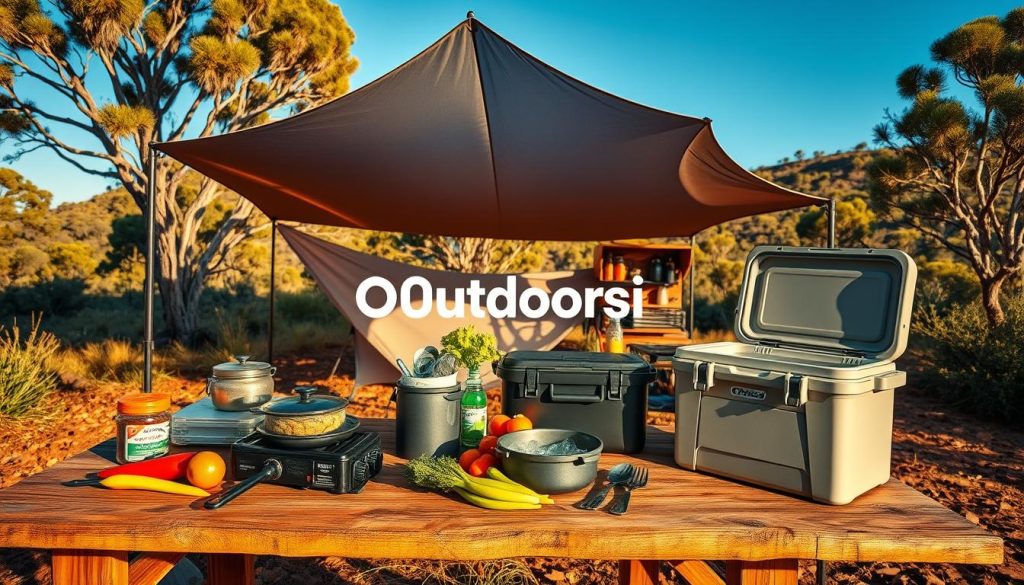
Set up a practical kitchen zone so your meals run smoothly and your gear stays clean. Start by choosing a flat, shaded spot close to water and the fire, but far enough to keep smoke out of sleeping areas.
Organise storage: use a Kitchen Double Pantry to keep food sealed and utensils tidy. That saves time and stops curious wildlife from getting in while you relax or play picnic games with the kids.
Essentials and real-world tips
Make meals fun with a Jaffle Iron Jumbo Double over the open fire. It toasts sandwiches fast and kids love the novelty.
- Bring along a 2.5 Whistling Kettle for fresh coffee and hot chocolate — it’s simple and reliable.
- Wash up with a collapsible sink and biodegradable soap to keep hygiene high and impact low.
- Include extra water containers; enough water for drinking and cleaning is one of the most important essentials.
| Item | Benefit | Quick tip |
|---|---|---|
| Kitchen Double Pantry | Organises food and utensils | Label shelves for meals |
| Jaffle Iron Jumbo Double | Fast, kid-friendly meals | Cook over low, steady fire |
| 2.5 Whistling Kettle | Hot drinks for the team | Boil on stable grate |
Finish with a Junior Galaxy Sofa Chair for the little ones to relax after exploring. A tidy kitchen area makes every picnic and meal more enjoyable for everyone.
Clothing and Footwear for Unpredictable Weather
Dress in layers to handle sun, wind and sudden cool nights across Australia. Focus on breathable base layers, a warm mid layer and a lightweight shell you can grab in a hurry.
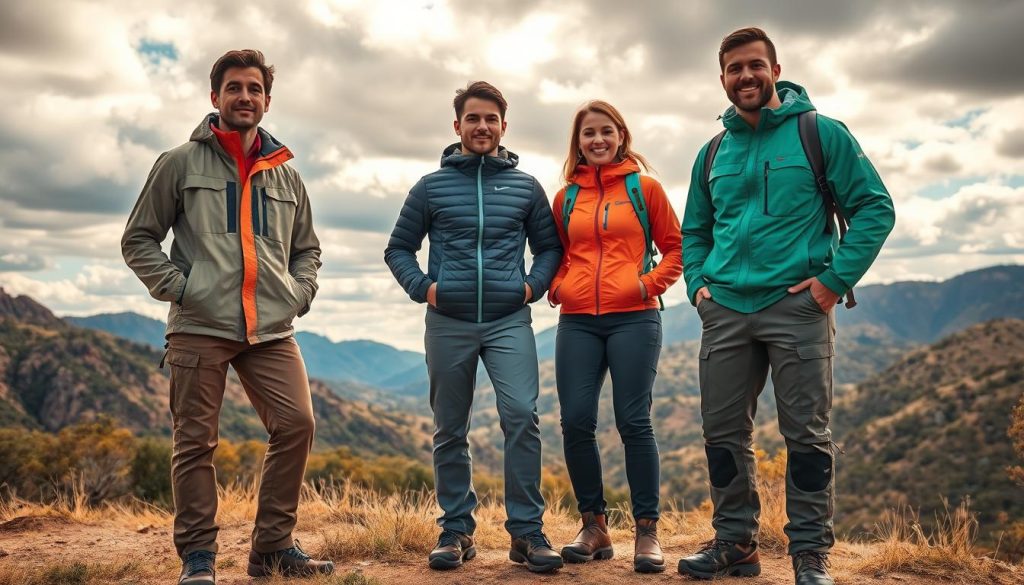
Layering for Australian Climates
Start with moisture-wicking base shirts so you stay dry during hikes. Add a fleece for cool evenings and a packable jacket for wet spells.
Bring sturdy shoes for walking and trails. Pack gumboots for kids if you expect mud or rain, and keep comfy sandals for downtime at the site.
- Sun protection: long-sleeved shirts reduce UV exposure while you explore beaches or bushland.
- Quick access: keep waterproof jackets and ponchos near the top of your bag for sudden changes in weather.
- Hydration: carry a reliable water bottle or bladder so managing water intake is easy on the move.
| Item | When to use | Quick tip |
|---|---|---|
| Breathable base layer | Day hikes in heat | Choose synthetic or merino for fast drying |
| Mid-layer fleece | Cool evenings and winds | Lightweight and compressible for packing |
| Waterproof jacket/poncho | Sudden rain or storms | Keep at the top of your pack for easy access |
| Sturdy walking shoes & gumboots | Rough terrain and muddy sites | Break shoes in before your trip to avoid blisters |
Safety Gear and First Aid Essentials
Start every trip by checking your safety gear and first-aid supplies so you’re ready for anything.
A fully stocked first-aid kit is one of the most critical items for any camping trip. Make sure it includes dressings, antiseptic, blister care, pain relief and snake-bite items suited to Australian conditions.
Keep your kit in a waterproof container to protect supplies from damp. Store it in a dedicated, easy-to-reach spot at the campsite so you can grab it quickly.
- Give every member of the family a whistle for simple, effective signalling if someone gets lost.
- Carry a physical map and compass when you visit national parks so you can navigate if your GPS fails.
- Always supervise kids around the fire and keep a bucket of water or a fire extinguisher close by.
| Item | Purpose | Storage tip | Emergency note |
|---|---|---|---|
| First-aid kit | Treat cuts, burns and bites | Waterproof box, labelled | Check expiry dates before departure |
| Whistles for each person | Signal for help quickly | Attach to packs or clothing | Practice a call-and-response signal |
| Map & compass | Backup navigation | Store in dry tube or zip bag | Familiarise yourself with key routes |
| Fire safety kit | Control and extinguish flames | Keep near cooking area | Always douse embers with water before sleep |
Tips for Camping with Kids and Pets
Small routines and smart gear choices turn common hiccups into easy fixes on family trips. Plan activities and key items so your day flows and everyone sleeps well.
Keeping Kids Entertained
Bring a mix of outdoor games and quiet activities. A frisbee, a scavenger hunt list and a picnic mat make outdoor time lively and organised.
For rainy afternoons, pack colouring books or a simple board game to keep little ones calm inside the tent. Rotate activities every hour to keep attention strong and tantrums low.
Pet-Friendly Camping
Check the site’s pet policy before you leave. Some parks restrict dogs, so confirm rules to avoid surprises on arrival.
Bring a dedicated dog bed, a sturdy leash and extra bowls for food and water. Keep pets close during busy times and use a shaded spot so they rest safely.
- Safety first: keep a small aid kit for kids and a basic pet first-aid item in reach.
- Meal planning: pack easy-to-serve food portions to speed mealtimes and reduce mess.
- Real-world tip: at a busy lake site, assign an adult to watch kids and pets during swim time for peace of mind.
| Focus | What to bring | Why it helps | Quick tip |
|---|---|---|---|
| Kids’ activities | Frisbee, scavenger list, picnic mat | Keeps energy positive and structured | Rotate toys hourly to prevent boredom |
| Rainy-day play | Colouring books, board games | Calms kids inside the tent | Use low-light lanterns for cosy play |
| Pet gear | Dog bed, leash, water bowls | Comfort and control at the campsite | Check pet rules for your destination |
| Safety | Small aid kit for kids & pets | Quick response to minor injuries | Store in an easy-to-reach spot |
Off-Grid Power and Lighting Solutions
When you head off-grid, a solid power plan keeps devices running and minds at ease.
Invest in a high-quality portable power station to charge phones, fridges and pumps. Look for one with AC, DC and USB outputs and an inverter sized for your gear.
Carry spare batteries for headlamps and lanterns. Replaceable cells are handy, especially on longer trips where recharging isn’t possible.
- Solar panels: pair foldable panels with your station to top up power during the day.
- LED strips: install low-voltage strips around the awning to light paths and the kitchen area efficiently.
- Water management: use power for pumps and filtration to make water tasks simple at remote sites.
| Solution | Best for | Buying tip |
|---|---|---|
| Portable power station | Charging multiple devices, small fridges | Choose 500W+ with pure sine inverter |
| Foldable solar panel | Daytime recharging | Match panel wattage to station input |
| LED strip & lanterns | Campsite illumination | Prefer 12V strips and IP65 rating |
| Spare batteries & power bank | Emergency lighting and phones | Pack fresh, high-capacity cells |
Managing Storage and Camp Furniture
Good storage choices turn a crowded load into an organised setup you can access quickly.
Maximising Space
Use collapsible storage bags to group clothing, food and small items. They compress well and make unpacking faster when you arrive.
Choose lightweight, foldable furniture such as compact chairs and a small table. This keeps your vehicle tidy and leaves room for other gear.
When you pack kitchen utensils, opt for stackable containers. That saves space and keeps your cooking area clean and functional during your stay.
- Designate a corner of the tent for personal storage to avoid clutter.
- Distribute heavy gear evenly across the vehicle to improve handling on long drives.
- Bring along a few durable tubs for quick access to daily essentials.
| Solution | Best for | Setup tip |
|---|---|---|
| Collapsible storage bags | Clothes & soft gear | Compress and label by person |
| Foldable chairs & table | Seating and dining | Test fold/unfold at home once |
| Stackable containers | Utensils and food | Stack by meal order for easy access |
| Dedicated tent pockets | Personal items & devices | Keep valuables in a sealed pouch |
Pre-Departure Vehicle and Site Checks
Give your trip the best start with a last-minute vehicle and site run-through. A short, systematic routine helps you avoid avoidable breakdowns and keeps your family safe on the road.
Vehicle basics: make sure oil levels, coolant and tyre pressure are correct. Check the condition of your trailer or caravan lights and the spare tyre before you leave.
Double-check your camping checklist so your tent, sleeping bag and first-aid kit are packed and easy to reach. Store food and water securely and turn gas bottles off for safe transit.
- Pack a repair kit with tools, spare batteries and patch supplies in an accessible spot.
- Review your map and route plan, and confirm expected weather so you can adjust mattress, shirts and shoes choices.
- Do a final site check on arrival: keep the camp area clean, follow fire rules and set lighting away from flammable gear.
| Focus | Quick action | Why it matters |
|---|---|---|
| Oil & tyres | Top up and inflate | Prevents breakdowns and improves handling |
| Food & water | Secure storage | Keeps supplies safe and wildlife-free |
| Repair & first aid | Pack within reach | Quick fixes and aid reduce trip disruption |
Real-world tip: if rain hits en route, pull over and check tarps, bags and the mattress cover. A small adjustment now saves soggy gear and ruined meals later.
Conclusion
Take a moment to prepare now, and your family will enjoy smoother trips later. A little planning saves you time at the site and keeps stress low during the journey.
Use this checklist to feel confident you’ve packed the right gear for every trip. Good preparation makes camping easier and lets you focus on fun and connection.
Keep ample water close, choose a simple repair kit for quick fixes, and set routines so everyone knows the way you run camp. Small steps make a big difference.
Since KOA began in 1962, families have found joy in outdoor stays. Safe travels — enjoy the landscapes, make memories, and return refreshed for your next adventure.