Camping is a great way to enjoy the outdoors, but it’s important to remember to pack a few key things before heading out. One of the more overlooked items is camping tent maintenance. In this blog post, we will explore the importance of maintaining your tent and offer some tips for taking care of your tent. Keep reading to learn more!
Camping tents provide a great way to enjoy the outdoors and have a fun time with family and friends. However, to ensure that your tent remains in top condition, it is important to take care of it properly. Regular maintenance and upkeep of your camping tent will keep it in good condition for many years to come.
In this article, we will discuss some do’s and dont’s of camping tent maintenance and provide potential solutions to some common problems that can occur.
By following these do’s and don’ts, you can help ensure that your tent remains in good condition for years to come. If any problems do arise, it is important to address them as soon as possible in order to prevent any further damage.
Do’s
- Make sure to set up your tent in a dry and level area. This will help the tent to stay stable and avoid any unnecessary wear and tear.
- Always be sure to check for signs of damage before and after your camping trip and make repairs as needed. This will help to ensure that your tent is in the best condition and that any minor damages do not become more serious.
- Ensure that all parts of the tent are properly tightened and secured before use. This will help keep you and your gear safe and secure, as well as prevent any damage from occurring.
- Clean the tent regularly with a mild soap and water solution. This will help to remove any dirt, mud or other debris that can cause damage to the fabric over time.
- Store your tent in a dry and cool area when not in use. This will help to protect it from any potential damage or wear and tear.
Dont’s
- Do not set up your tent in an area that is too close to a campfire or other heat source. This can cause the fabric to become extremely hot and potentially melt or burn.
- Do not use sharp objects near the tent fabric as this can cause tears and holes.
- Do not use any harsh chemicals or cleaning products to clean the tent as this can damage the fabric.
- Do not store the tent in an area that is exposed to direct sunlight or high temperatures as this can damage the fabric and cause it to become brittle over time.
- Do not use any abrasive materials to clean the tent as this can cause damage and reduce the life of the fabric.
Introduction to Tent Maintenance: Types of Tent Materials and Maintenance Tips
Types of Tent Materials and Maintenance Tips has never been easier! Camping is a great way to get outdoors and disconnect from the hustle and bustle of everyday life. However, in order to have a great camping experience, it is important to have a well-maintained tent. There are many different types of tent materials available and it is important to understand the different types of materials and how to properly care for them.
Additionally, having a few maintenance tips on hand can help ensure your tent is in the best condition possible.
When looking for a tent, it is important to consider the type of material it is made out of. Common materials include nylon, cotton, canvas and polyester. Each of these materials offers different benefits, such as being lightweight or highly durable. Additionally, each of these materials requires different levels of maintenance. Nylon tents are the most common type and require the least amount of maintenance. They are lightweight, waterproof and can be wiped down with a damp cloth.
Cotton tents, on the other hand, require more maintenance than nylon tents, as they are more vulnerable to moisture and need to be re-treated with a waterproofing agent more often. Canvas tents are the most durable and are the best option for warm climates, but they are also the heaviest and most difficult to maintain. Polyester tents are lightweight and highly durable and require the least amount of maintenance.
In addition to choosing the right type of material, it is important to remember a few maintenance tips. First, it is important to regularly inspect your tent for any rips, tears or holes. Additionally, make sure to clean your tent after each use, as dirt and debris can build up over time and damage the material.
Finally, it is important to treat your tent with a waterproofing agent at least once a year. This will help to keep your tent protected from moisture
Do’s of Tent Maintenance: Cleaning and Storage Techniques
Camping tents are an essential part of an outdoor adventure and require regular maintenance for extended use and safety. Knowing the do’s of tent maintenance is key to keeping your tent in peak condition and ensuring that your camping experience is comfortable and enjoyable. Cleaning and storage techniques are some of the most important tent maintenance do’s and should be taken into consideration when camping.
When camping with a tent, it is important to frequently check and clean your tent. Before using the tent, inspect it for any tears, rips and other damages that may have occurred during storage.
Additionally, check the zippers, poles and other fittings for any signs of wear and tear. After use, it is important to properly clean the tent fabric, poles and pegs. Remove any dirt and debris with a soft brush and warm, soapy water. Allow the tent to dry completely before storing it.
Storing your tent correctly is essential for extending its life. Be sure to store your tent in a cool and dry place away from direct sunlight. If camping in a wet environment, it is important to store the tent in an airy place to ensure it dries completely before storage.
Additionally, store the tent in its original bag and avoid folding or bending the poles when packing them away. Following these do’s for tent maintenance can help keep your tent in peak condition for many camping trips to come.
Don’ts of Tent Maintenance: Common Mistakes to Avoid
Camping tents are an essential component of any outdoor experience, providing shelter and protection from the elements. However, with improper maintenance, your tent can quickly become damaged, leaving you exposed to the elements. This blog aims to help campers avoid common mistakes when maintaining their tents, so they can ensure a safe, comfortable and enjoyable outdoor experience.
One of the most common mistakes with tent maintenance is failing to inspect it before and after each use. Spending a few extra minutes examining the tent for signs of wear and tear can save you from having to buy a new one after a single season of use.
Additionally, it’s important to regularly clean and dry your tent after each use, as dirt and grime can accumulate and cause fabric to become brittle and tear more easily. Finally, it’s important to store your tent in a cool, dry and dark environment to prevent mold and mildew from forming.
Tent maintenance is essential for ensuring a safe, comfortable and enjoyable outdoor experience. By taking a few extra minutes to inspect, clean, dry and store your tent properly, you can avoid common mistakes and maximise the life of your tent. With proper care, your tent can provide years of protection and enjoyment.
Setting Up and Taking Down Your Tent: Strategies for Avoiding Damage
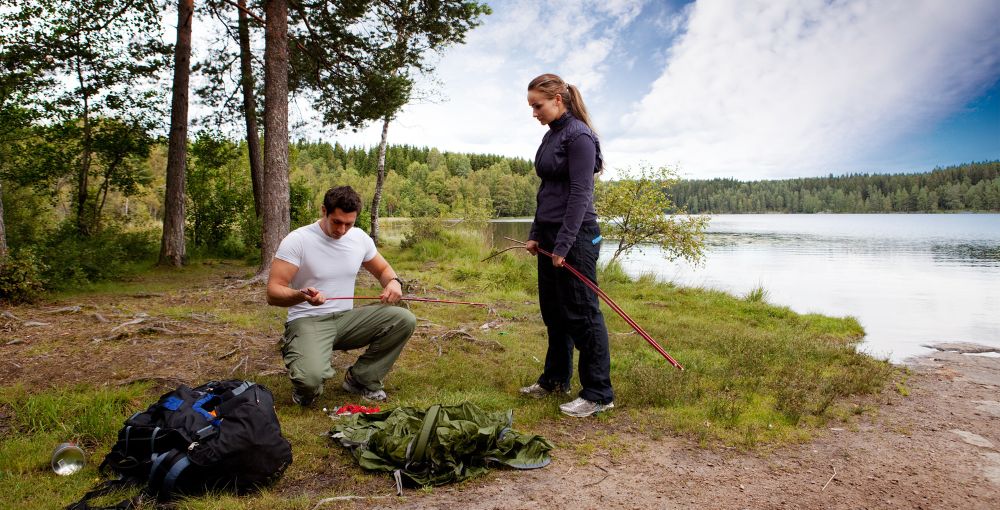
Setting up and taking down your tent is an essential part of the camping experience. Good maintenance practices can help you avoid damage and ensure that your tent stands up to the elements. Before you start setting up your tent, make sure all parts are present, including poles, stakes and guy lines. For easy setup, practice setting up your tent at home and get familiar with the parts and how they fit together. Take time to properly stake out the tent, being sure to check the tightness of the guy lines and tension of the poles.
When taking down your tent, start from the top, loosening guy lines and poles. Be sure to store your tent in a dry location when it is not in use. Keep all pieces together in a waterproof bag and make sure the tent is clean before storing. Following these simple steps can help you avoid damage to your tent and keep it in good condition for years to come.
Protecting Your Tent from the Elements: Strategies for Weatherproofing Your Tent
Protecting your tent from the elements is a key part of camping and ensuring your comfort and safety. Weatherproofing your tent is an important part of maintenance that should be done regularly, especially if you use your tent often. There are a few strategies you can use to protect your tent from the elements and ensure you get the most out of your camping experience.
The first way to weatherproof your tent is to use a waterproofing spray or wax. These products can be purchased at most camping outlets and come in a variety of forms, from aerosol cans to wax bars. Applying one of these products before and after each camping trip will help to protect the tent from moisture, dirt and also make it easier to clean.
A second strategy is to use a tarp or ground cloth under the tent when camping. This can help to keep it dry and free of mud, as well as provide an extra layer of protection against any sharp objects on the ground.
Finally, make sure to inspect your tent before and after each camping trip. Check for any signs of damage or wear and tear and replace any broken or worn parts as soon as possible. You should also check the tent poles, stakes and zippers to make sure they are in good working order. These simple steps will help to ensure your tent is as weatherproof as possible and stand up to the elements for years to come.
Weatherproofing your tent is an essential part of camping and should be done regularly. Using waterproofing spray or wax, a tarp or ground cloth and regular inspections will help to keep your tent in good shape and protect it from the elements. Make sure to take the necessary steps to ensure the long-term durability of your tent and enjoy a safe and comfortable camping experience.
Repairing a Damaged Tent: Replacing Broken Parts and Fixing Tears
Tents are an essential piece of camping gear, providing protection from the elements and a place to sleep. However, over time, wear and tear can cause damage. Luckily, there are a few steps you can take to repair a damaged tent and get it back in working order. Replacing broken parts and fixing tears are two of the most common ways to repair a tent.
When replacing broken parts, it is important to carefully measure the size of the part before purchasing a new one. This will ensure that the new part fits in the tent properly. Many companies offer replacement parts for tents, so you may be able to purchase an exact match for the broken part. If not, you can look for a compatible part that will fit in the tent.
Fixing tears in the tent material is a more complicated process. First, you will need to determine the size and shape of the tear. Then, you should cut a patch that is slightly larger than the tear and use a strong adhesive to attach the patch to the tent. Once the patch is attached, you should seal the edges with a waterproof coating and then reinforce it with a few stitches. This will ensure that the patch is securely attached and will not come off in bad weather.
With the right tools and supplies, you can easily repair a damaged tent and restore it to its original condition. Taking the time to perform regular maintenance and repairs on your tent will help it last for many years of camping trips.
Summary: Staying Prepared and Keeping Your Tent in Good Condition
Camping is an enjoyable outdoor activity for many people, but it is important to stay prepared and keep your tent in good condition. Maintenance of your camping tent is an important part of staying safe and comfortable when camping and there are some important steps you can take to ensure that your tent is always ready for use. Knowing how to properly set up your tent and store it when not in use is essential for longevity and protection from the elements.
Additionally, it is important to make sure your tent is waterproof, as well as clean and free of debris before setting it up. It is also a good idea to inspect for any tears or holes that may need to be repaired. Finally, it is important to get into the habit of regularly checking the zippers and other components of the tent to make sure they are functioning properly. By following these simple steps, you can be sure your tent will be in great condition when you need it.
Conclusion
In conclusion, camping tent maintenance is an important aspect of any camping trip. It is important to use the right materials and techniques to ensure the tent is kept in good condition and is safe for use. By following the do’s and don’ts of tent maintenance, campers can extend the life of their camping tents and protect their investment for years to come.