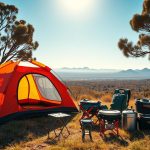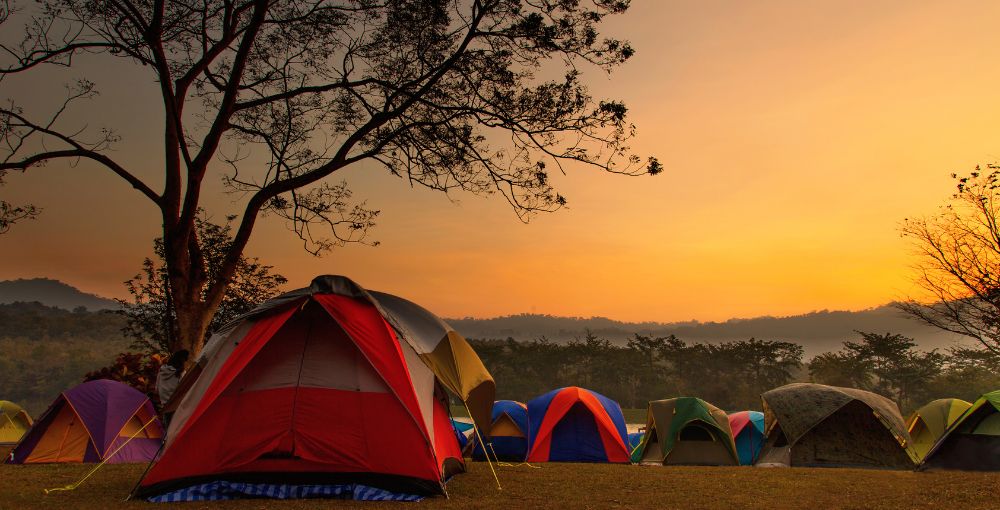
Packing the right tent for your climate and location doesn’t have to be difficult. With a few simple tips, you can ensure you are prepared for any type of weather. In this blog post, we will explore the different types of tents and offer some tips for choosing the right one for you. Keep reading to learn more!
When packing the right tent for a climate and location, there are many potential problems that can arise. From choosing the wrong size to not packing the right materials for the environment, these issues can easily be avoided if the right preparation and research is done beforehand.
In this article, we will discuss the potential problems that can occur when packing the right one for climate and location and the solutions to help ensure a successful camping experience.
The first potential problem is choosing the wrong size. Choosing one that is too big or too small can cause a range of issues. If it is too big, it may be difficult to carry and set up and it may offer too much space for the number of campers. If it is too small, it may not be able to accommodate all the campers and it may not offer enough headspace and ventilation.
The solution is to choose a size based on the number of campers and the type of camping that will take place. A two-person tent may be suitable for a short camping trip, while a larger family tent may be needed for a longer camping trip.
The second potential problem is not packing the right materials for the environment. Not packing the right materials for the climate and location can lead to cold and wet nights and can make camping a miserable experience.
The solution is to research the climate and location of the camping destination and to pack the right materials accordingly. This includes choosing a tent with a waterproof and breathable fabric, packing a warm sleeping bag and bringing extra layers of clothing to help keep warm.
The third potential problem is not properly setting it up. Improperly setting it up can lead to a range of issues, including poor ventilation, rain leaks and more. The solution is to practice setting up ahead of time and to carefully read through the instructions. This will help ensure that the it is set up properly and securely.
Packing the right one for a climate and location can help ensure a successful camping experience. By researching the climate and location, choosing the right size and properly setting it up, campers can avoid potential problems and have a fun and enjoyable time.
Types of Tents: An Overview of Different Tent Types and Their Advantages
Tents are a camping essential and there are various types that can be used depending on the climate, location and other factors. They can be divided into three main types – dome, cabin and tunnel – each of which has its own advantages and features.
Dome tents are traditionally the most popular type, providing a lower profile and somewhat better wind resistance than the other two types. Cabin tents are sturdier and have more headroom, making them great for larger groups or taller campers. Tunnel tents are a great option for those looking for a lightweight and easy-to-carry solution.
Dome tents are ideal for camping in areas with strong winds, as their lower profile makes them less susceptible to being blown away. Additionally, their symmetrical shape can make them easier to pitch in a hurry by only having to stake out four corners.
On the other hand, cabin tents are more spacious and provide more headroom for taller campers, making them a great option for larger groups. They are more heavy-duty and can stand up to more severe weather conditions due to their increased stability.
Tunnel tents are a great balance between the two, as they provide more space than a dome tent, but are still lightweight and can be erected quickly.
When choosing which type is right for a specific camping trip, it is important to consider the climate, location and other factors. Dome tents are better suited for windy conditions and can be pitched quickly, while cabin tents are sturdier and have more headroom. Tunnel tents are a great lightweight option for those looking for more space that can be set up quickly.
No matter which type is chosen, it is essential to ensure that it is properly pitched and secured in order to ensure a comfortable and safe camping experience!
Choosing the Right Tent for Your Climate and Location: Factors to Consider
When it comes to choosing the right one for your climate and location, there are several factors to consider. The primary factor to consider is the climate of the area you plan to camp in, as different types are designed to best suit different climates.
In general, three-season tents are best for camping in temperate climates, while four-season tents are best suited for colder climates with significant snowfall and high winds.
Additionally, it is important to consider the area’s terrain, as different terrains require different types. For example, if you plan on camping in a mountainous region, a four-season tent with a dome shape is ideal, as it provides superior strength and stability against strong winds. The tunnel shape are best for flat terrain, as they are more lightweight and easier to transport.
In addition to the climate and terrain, you should also consider the number of people camping and the type of camping activities you plan for. For instance, if you plan on camping with a large group, a large family tent could be a good option. For those engaging in more extreme activities, such as rock climbing or mountaineering, a specialised mountaineering tent is recommended.
Furthermore, you should take into account the amount of gear you plan to bring and the amount of space you will need, as some are larger than others. Lastly, you should also consider the fabric, as the material will determine how waterproof and breathable it is and how well it will hold up against the elements.
Taking the time to consider all of these factors is essential for choosing the right one for your climate and location, as it will ensure that you have the best experience possible when camping.
Setting Up Your Tent: Tips for Safe and Proper Tent Setup
Setting up a tent can be a tricky task. It is important to ensure that it is properly and safely setup for your climate, location and environment. Before setting it up, it is important to consider the climate and location. If the weather is expected to be cold and wet, it is important to choose a one with a waterproof coating, such as a polyurethane-coated nylon.
Make sure to check the forecast for the area in which you will be camping and adjust your setup accordingly.
The location is important to consider when setting up and to choose a spot that is level and free of obstacles, such as rocks and roots. Once you have found a suitable location, it is important to make sure that it is securely staked into the ground. If the ground is hard and rocky, it is recommended to use tent stakes that are specifically designed for this type of terrain.
Finally, it is important to use one that is designed for the environment you will be camping in. Make sure to always double-check the manufacturer’s instructions for proper setup. Be sure to use appropriate guy lines and tension them correctly to ensure it is adequately secured against the elements. Following these steps will help to ensure a safe and successful camping trip.
Maintaining Your Tent: Tips for Keeping Your Tent in Top Shape
Maintaining your tent is an important part of keeping the gear in your camping kit in good condition. To ensure that it stays in top shape, there are a few tips to keep in mind.
Firstly, be mindful of the climate and location you’re camping in. If you’re in an area where it rains a lot, make sure you store it in a dry place after use and check it for any signs of mould. If you’re camping in an area where the climate is very hot, make sure to check for any signs of sun damage, like weakening of the fabric or discolouration.
Secondly, clean it regularly. Brush off any dirt or debris that has accumulated after each camping trip and be sure to spot-clean any areas that are particularly stained. If it is made of synthetic fabric, you can machine wash it on a gentle cycle.
Lastly, inspect your it for any small tears or weak areas. If you notice any, patch them up with a waterproof fabric or adhesive as soon as possible to prevent further damage. With these tips, you’ll ensure that your it is in top condition and ready for your next camping trip.
Tent Accessories: Essential Gear for a Comfortable and Enjoyable Camping Experience
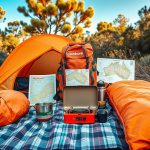
When planning a camping trip, it is essential to consider the camping accessories that will make the experience a comfortable and enjoyable one. These accessories are items such as sleeping mats and sleeping bags, which are necessary to make it a comfortable and safe place to sleep. Depending on the climate and location of the camping site, the type and amount of equipment needed will vary greatly.
Sleeping mats are essential for providing insulation from cold and damp ground and are usually made of foam or synthetic materials. They can also provide cushioning, making it easier to sleep on uneven ground.
Sleeping bags are a great way to keep warm and comfortable while camping and they are available in a variety of shapes and sizes. They can be lightweight and can be easily rolled up and stored away when not in use. Tent pegs are used to secure it to the ground and should be made of a durable material such as aluminium or steel.
Other accessories include tent stakes and anchors, which are used to ensure it stays in place during windy conditions. Tarps can be used to provide additional protection from the elements, while awnings and privacy screens provide extra protection from the sun and privacy when needed.
Having the right tent accessories is key to a comfortable and enjoyable camping experience, so it is important to plan ahead and make sure you have the necessary items with you.
Tent Care: Tips for Making sure Your Tent Lasts for Years
Taking care of your tent is essential if you want it to last for years and provide you with a comfortable shelter during your camping trips. Here are some tips to help you make sure it remains in top shape:
First, take into account the climate and location in which your it will be used. In areas where temperatures are often cold and rain is frequent, make sure to use a waterproof tent. This will protect your it from the elements and keep you dry inside.
Additionally, in areas where there is a lot of sun, use a tent with a UV-protected fabric to reduce the damage caused by exposure to the sun.
Next, be sure to properly clean and store it when not in use and clean off any dirt or debris that accumulates after each use. This will prevent water from seeping into the fabric and causing damage. Additionally, make sure to dry it out before storing it away. This will help prevent mold and mildew from forming. Finally, store it in a cool, dry place to ensure that it remains in good condition for years to come.
By following these tips, you can make sure your it will last for years and provide a comfortable shelter during your camping trips. Taking the time to properly care for your tent will be well worth it in the long run!
Troubleshooting Tent Problems: Common Problems and How to Fix Them
Troubleshooting tent problems is essential for enjoying a successful camping trip. Depending on the climate and location, a tent can be exposed to a variety of environmental conditions, such as strong wind, heavy rain and extreme temperatures.
In order to ensure a safe and comfortable camping experience, it is important to inspect your it for any possible issues before setting up camp. Common problems include torn fabric, broken poles and sagging walls.
Torn fabric is generally caused by over-tightening the tent poles. This can also be caused by sharp objects, such as branches and rocks that rub against the walls. To prevent this from happening, be sure to check the area for potentially damaging materials before setting it up.
Additionally, you should check the poles for any signs of damage and tighten them firmly, but not too tightly, to prevent the fabric from tearing.
Broken poles can occur when it is set up in strong winds or put under too much stress. To avoid this, be sure to secure your it properly and use extra stakes or rocks to add weight and stability.
Additionally, you should inspect the poles and fabric regularly to make sure they are in good condition. If you find that your walls are sagging, this could be caused by loose poles or too little tension. To remedy this, double check the connection points and re-tighten the poles as necessary.
Troubleshooting problems is important for any camping trip. With proper inspection and maintenance, it can provide a safe and comfortable environment for your camping experience. Be sure to inspect the fabric, poles and walls for any possible issues before setting up camp and keep an eye out for any warning signs of damage.
By following these simple steps, you can ensure a successful and enjoyable camping experience.
Conclusion
No matter what type of camping trip you are going on, the most important thing is to make sure that you have the right tent for the climate and location. With the right one, you can ensure that you will have a safe and comfortable night’s sleep.
Packing the right type for your climate and location will also ensure that you have the best time possible while camping. By being prepared and doing your research beforehand, you can ensure that you have the perfect tent for your camping adventure.